Priya had two resumes open side by side on her screen, and she couldn't tell them apart.
Same university. Same three years of experience in account management. Same clean, well-formatted bullet points about "exceeding targets" and "driving client satisfaction." She'd been an HR manager at a mid-sized logistics company for six years, and this was the part of the job nobody warns you about: two people who look identical on paper, and only one seat on the team.
She picked the candidate with the slightly better resume design. Three months later, she was writing an exit interview summary for that same hire, who'd clashed with almost every senior teammate they were supposed to be collaborating with.
The resume hadn't lied. It just hadn't told her the part that mattered.
A resume tells you what someone has done. It almost never tells you how they'll act when the pressure is on, the deadline moves up, or a teammate disagrees with them.
The Problem With Judging People on Paper
Resumes are built to be impressive. That's literally their job. Every line is written, rewritten, and polished to put the candidate's best foot forward — which is fair, but it also means a resume is one of the least reliable ways to predict how someone will actually behave on your team.
Think about what a resume genuinely tells you:
- Where someone worked and for how long
- What their title was and what they claim to have accomplished
- Their education and certifications
- How well they can format a document and choose confident-sounding verbs
Now think about what it doesn't tell you:
- Whether they thrive under pressure or shut down
- How they communicate when something goes wrong
- Whether they build people up in a team setting or quietly compete with them
- How they handle being told "no" or having their idea rejected
Those second-list traits are usually the actual reasons a hire works out or doesn't. And they're exactly what a DISC assessment for hiring is built to surface.
What DISC Actually Reveals
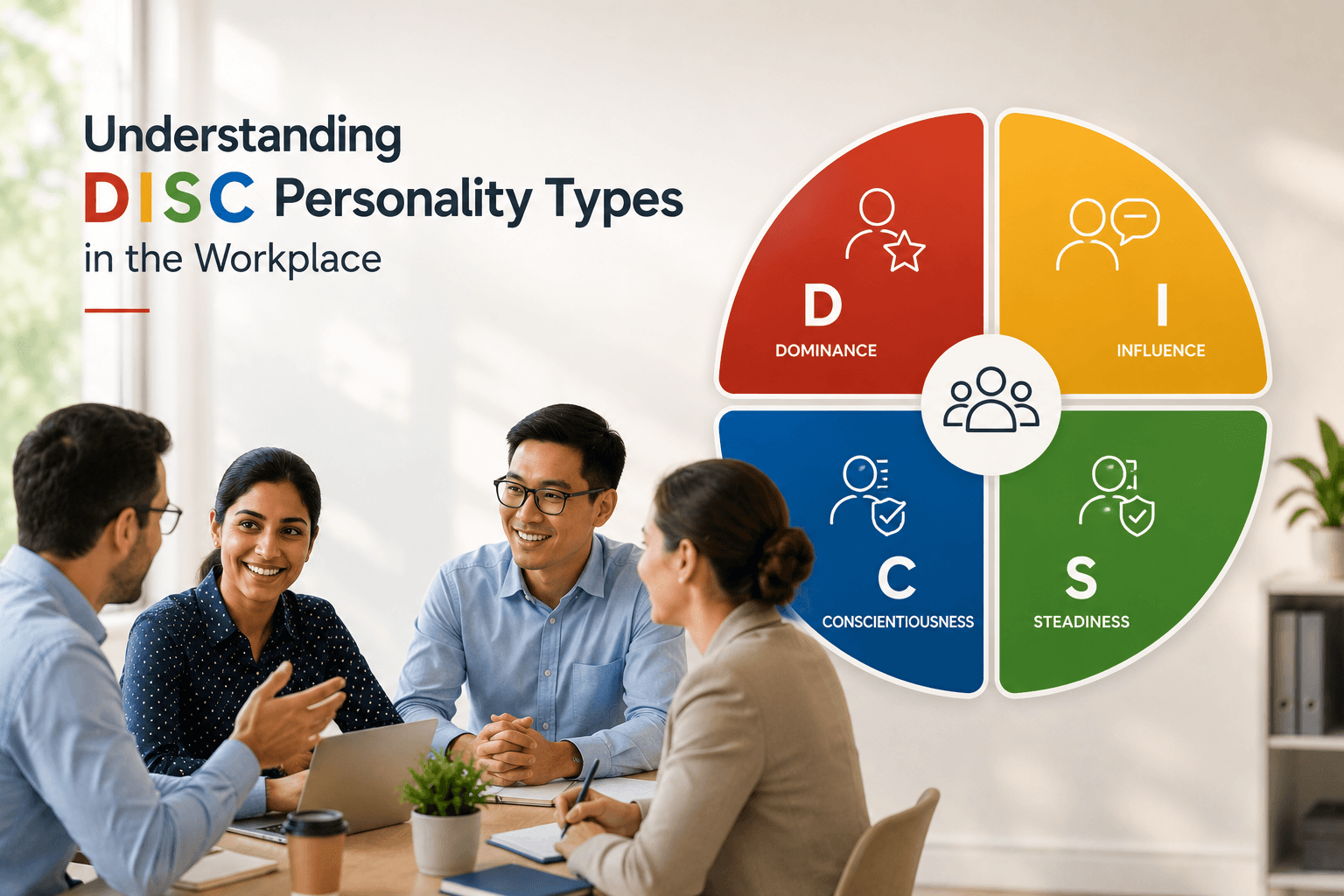
DISC looks at behavior, not achievements. It measures how a person is naturally wired to respond to pace, people, problems, and rules — grouped into four styles: Dominance, Influence, Steadiness, and Conscientiousness. Where a resume shows you the highlight reel, DISC shows you the operating style behind it.
Example: Two Candidates, One Sales Role
Let's go back to Priya's situation, but imagine she'd run both candidates through a DISC personality assessment for hiring before making the call.
Neither candidate is "better." But if the team Priya was hiring for was already stacked with assertive, fast-moving personalities, Candidate B might have been the one who actually kept the team from burning out — something no resume bullet point would have hinted at.
Example: The Manager Everyone Loved in the Interview
Daniel, a hiring manager at a fintech startup, once told us about a candidate who interviewed beautifully — confident, articulate, said all the right things about "empowering the team." His resume checked every box for the leadership role.
The DISC assessment told a different story: an extremely high D profile with very low S (Steadiness), meaning a strong preference for speed and control, and a natural impatience with process or consensus-building. Daniel hired him anyway, because the interview had gone so well.
Six months in, three people on that team had asked to be moved. The behavioral pattern the assessment flagged — impatience with slower-moving teammates — showed up exactly as predicted. It wasn't that the person was a bad hire in the abstract. He was a mismatch for a team culture that needed patience and collaboration first.
A great interview shows you how someone performs for 45 minutes. DISC shows you how they're likely to behave for the next 45 weeks.
Where DISC Fits — and Where It Doesn't
It's worth being upfront about this: A DISC test for hiring isn't a replacement for resumes, interviews, or skills testing. It's not a lie detector, and it can't tell you whether someone is honest, talented, or a good culture fit on its own. What it does well is fill in the blind spot that resumes and interviews consistently miss — natural behavioral tendencies under real working conditions.
A resume answers "can this person do the job?" DISC helps answer "how will this person actually do the job, day to day, with this specific team?" Used together with structured interviews and skills assessments, that combination catches far more than any single method alone.
How HR Managers Use This In Practice
Most HR teams don't run a DISC hiring assessment as a pass/fail gate. It works best woven into the process at a few natural points:
- Before the interview — so the interviewer knows what kind of follow-up questions to ask
- When comparing finalists — especially when resumes and interview performance are close
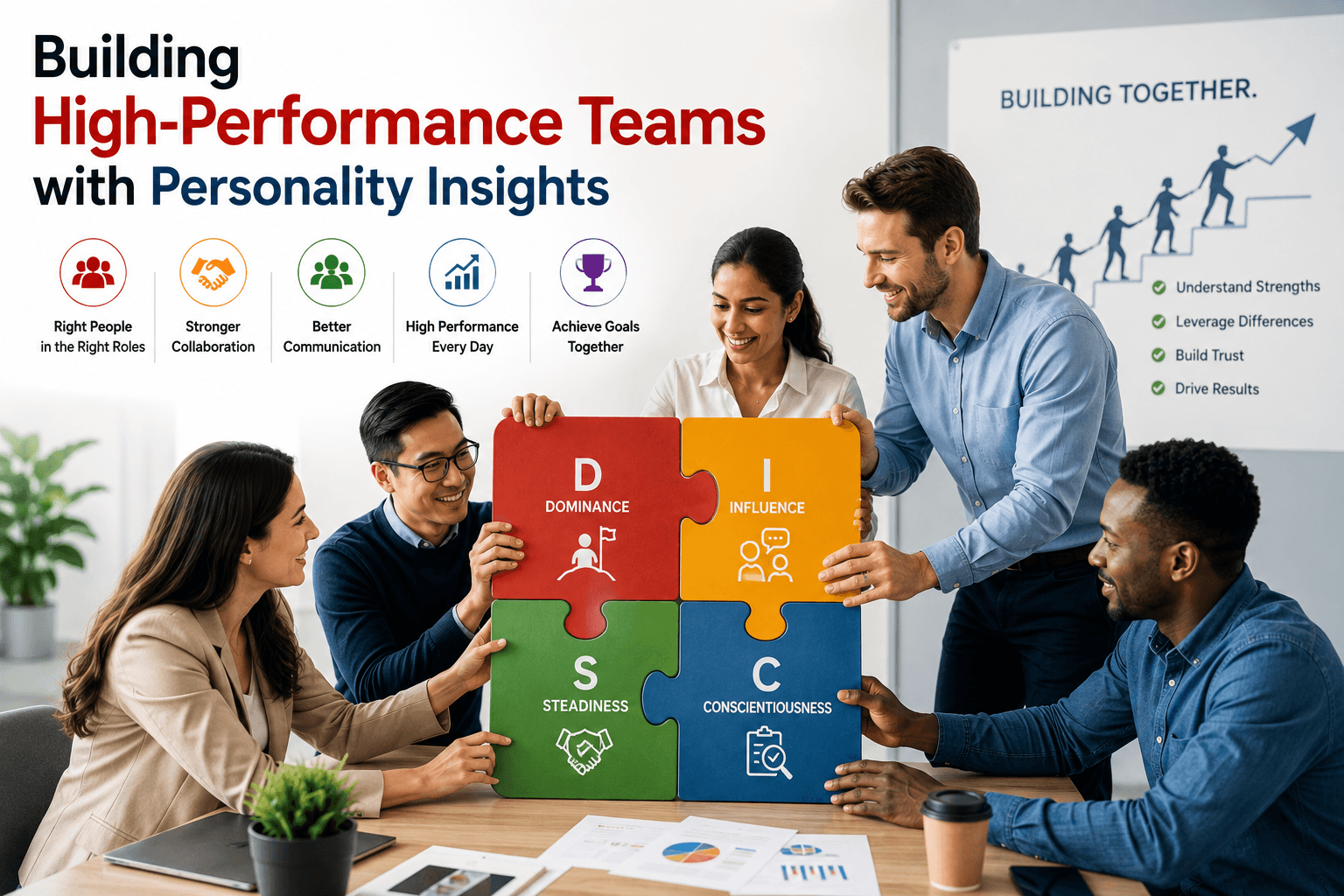
- When mapping a candidate against the existing team's behavioral mix, not just the job description
- During onboarding — so new managers understand how to communicate with a new hire from day one, instead of guessing for the first few months
That last point matters more than people expect. A lot of early turnover isn't about skill gaps — it's about a new hire and their manager talking past each other for the first ninety days. A DISC assessment for hiring managers bridges this gap instantly, ensuring nobody misunderstands each other's working style from day one.
The Real Cost of Getting It Wrong
A bad hire is expensive in ways that don't show up on a single line item. There's the recruiting cost of starting over, the training time that's now sunk, the morale hit on a team that had to cover the gap, and — often the hardest to measure — the slow erosion of trust when a manager keeps hiring people who don't work out.
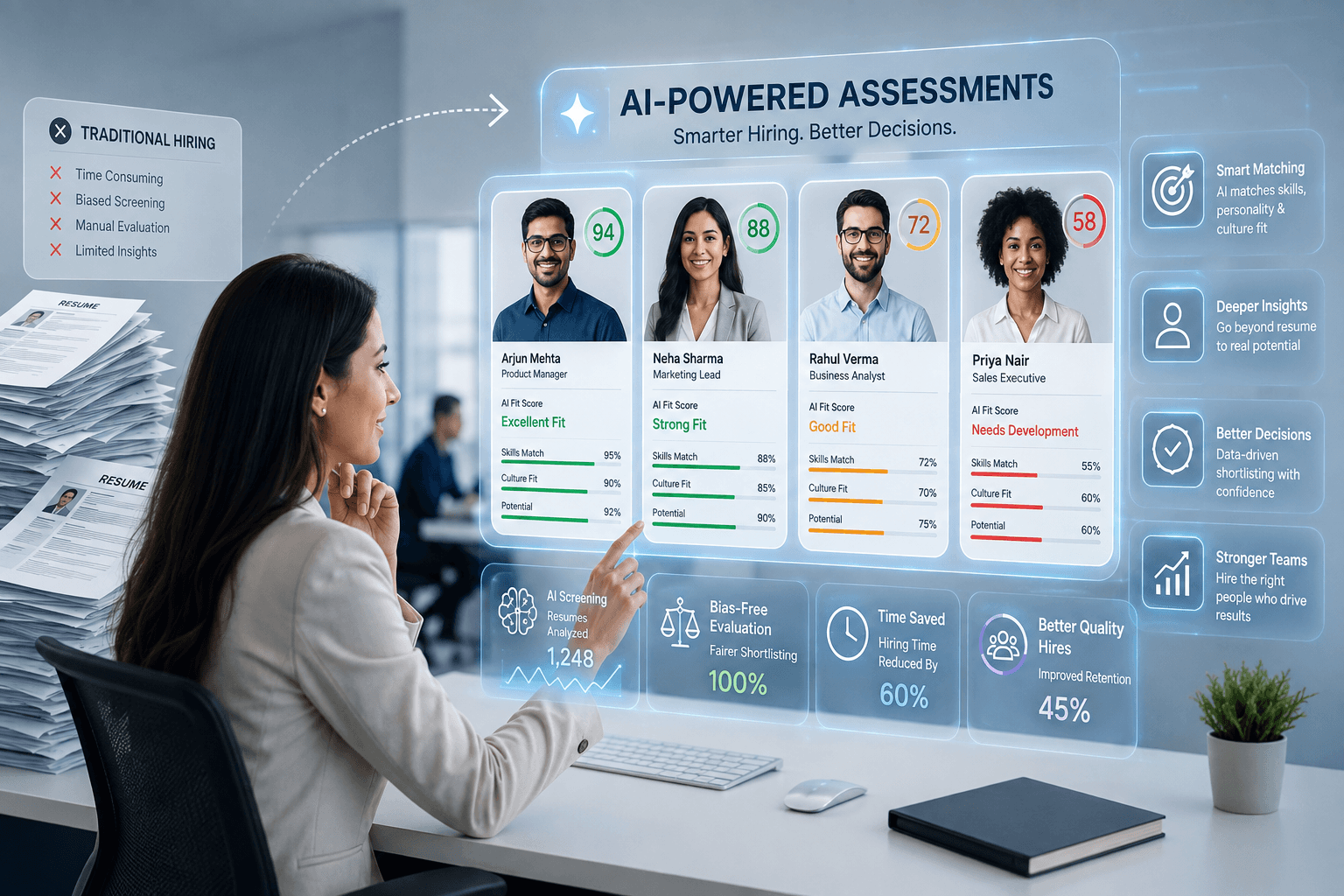
This is precisely why integrating a DISC assessment for recruitment into your hiring process is no longer optional—it's essential. By providing a scientifically backed, independent read on how a candidate is actually wired to behave, DISC eliminates the guesswork. It empowers HR managers to make confident, data-driven decisions that resumes and interviews simply cannot support, ensuring that when the offer letter is signed, you are bringing on a candidate who will truly thrive.