What is a high-performance team?
A high-performance team is a group of highly skilled individuals working in cross-functional roles who are deeply committed to a shared purpose. These teams consistently outperform expectations because they possess strong psychological safety, structured communication, and complementary behavioral styles.
How to Build a High Performance Team Using Personality Tests
Understanding exactly how to build a high performance team using personality tests begins with recognizing that technical skills alone do not guarantee success. Instead, the most effective teams intentionally blend diverse behavioral traits. Personality tests, such as DISC, provide a scientific framework to map these traits, allowing leaders to place individuals in roles that align with their natural strengths.
Why use a DISC assessment for team building?
What is a DISC assessment for team building? A DISC assessment for team building helps organizations understand individual behavioral styles, improve communication, reduce conflict, and create more effective collaboration among team members.
When you utilize a DISC assessment for team building, you unlock critical insights into how each team member naturally communicates, responds to stress, and approaches problem-solving. This shared language prevents misunderstandings and fosters a culture of mutual respect.
How Behavioral Styles Impact Collaboration
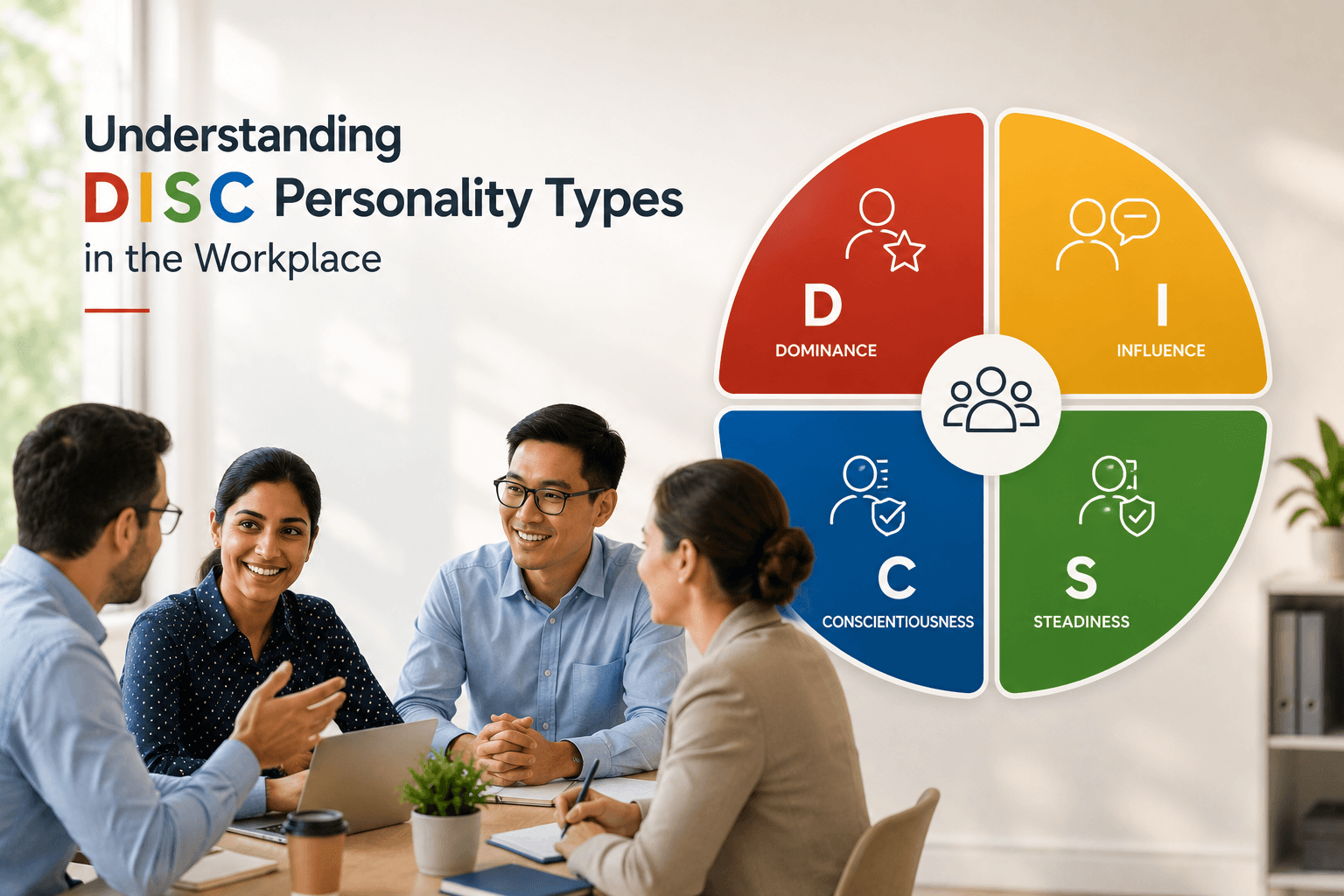
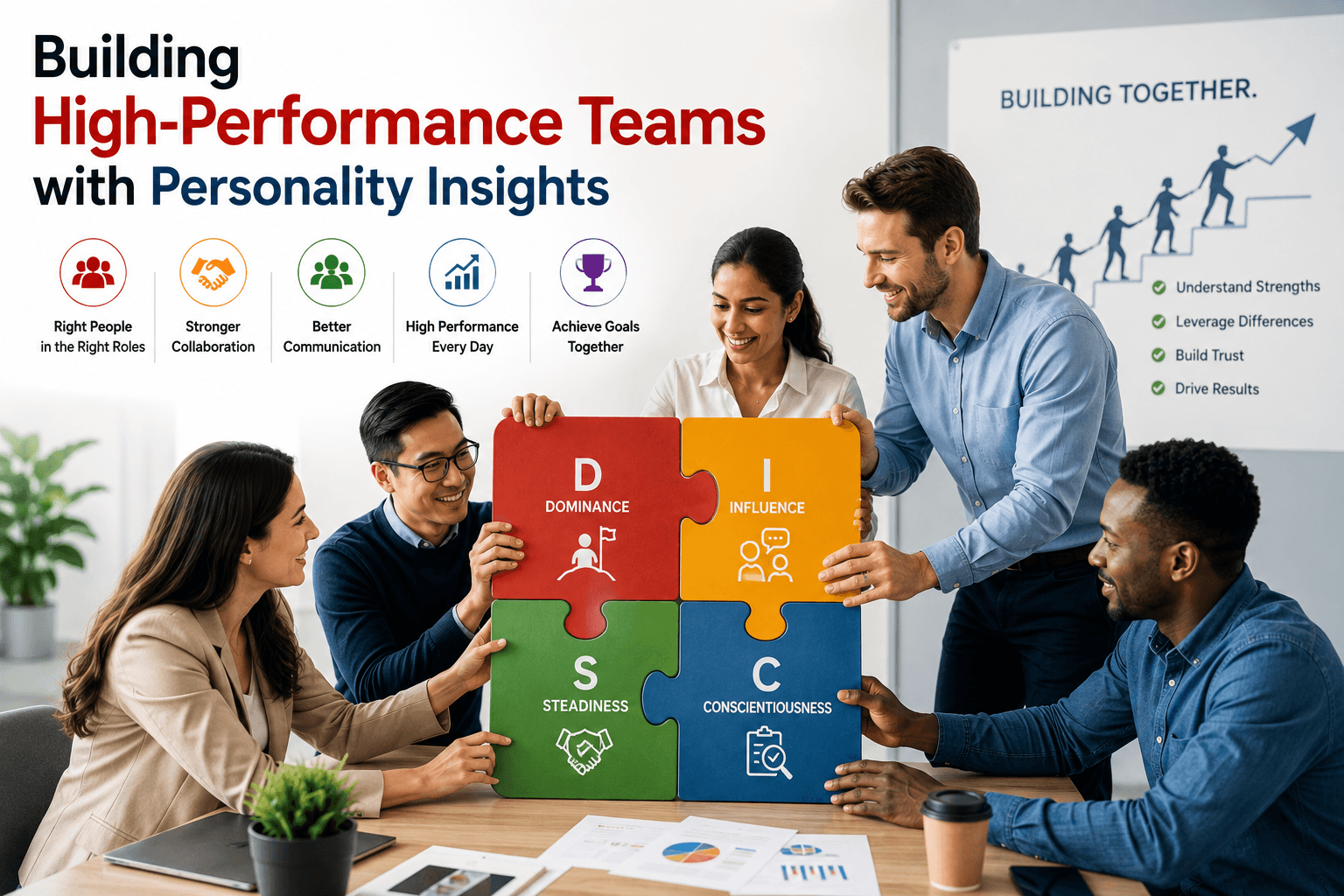
Behavioral diversity is the true engine of innovation. Here is how different DISC styles contribute to team performance:
- Dominance (D): Drives the team toward goals with urgency and decisive action.
- Influence (I): Fosters enthusiasm, creative problem-solving, and team cohesion.
- Steadiness (S): Ensures reliability, follow-through, and a harmonious work environment.
- Conscientiousness (C): Guarantees quality, accuracy, and adherence to essential processes.
A team composed entirely of visionary thinkers (Influence) might struggle with execution, while a team of pure analysts (Conscientiousness) might resist rapid changes. True performance requires a deliberate balance of these traits.
Using DISC Insights to Optimize Your Team
To systematically build balanced, dynamic groups, organizations rely on proven HR technology. Here are four practical steps for integrating these insights:
- Map your current composition: Conduct a team-wide audit to identify behavioral gaps and potential friction points.
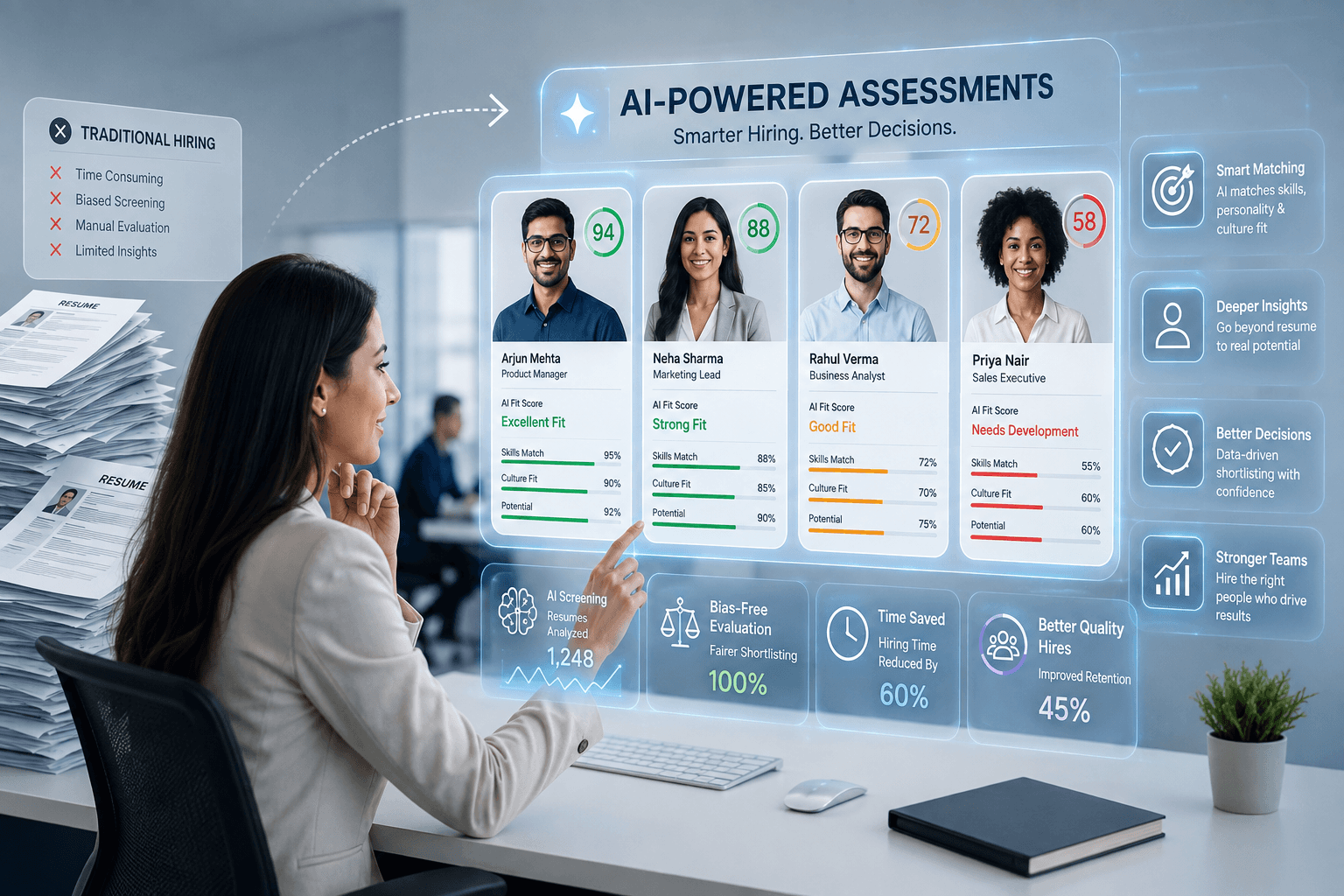
- Hire for behavioral complementarity: Use a DISC assessment for hiring to find candidates who add missing strengths rather than just mirroring existing behaviors.
- Assign roles based on strengths: Align tasks with natural tendencies. Assign fast-paced, high-stakes decisions to Dominance types, and meticulous quality control to Conscientiousness types.
- Customize communication guidelines: Create team charters that respect different workplace communication styles, ensuring everyone feels heard and valued.
"Great teams are designed, not accidental. Personality data gives leaders the objective blueprint required for intentional team building."
Measuring Team Effectiveness
How can personality assessments improve team performance tangibly? The impact is highly measurable. Organizations should track key performance indicators such as team cohesion scores, conflict resolution time, and project completion rates before and after implementation. When employees feel understood and are placed in roles that align with their natural behavioral strengths, engagement skyrockets, and turnover plummets.
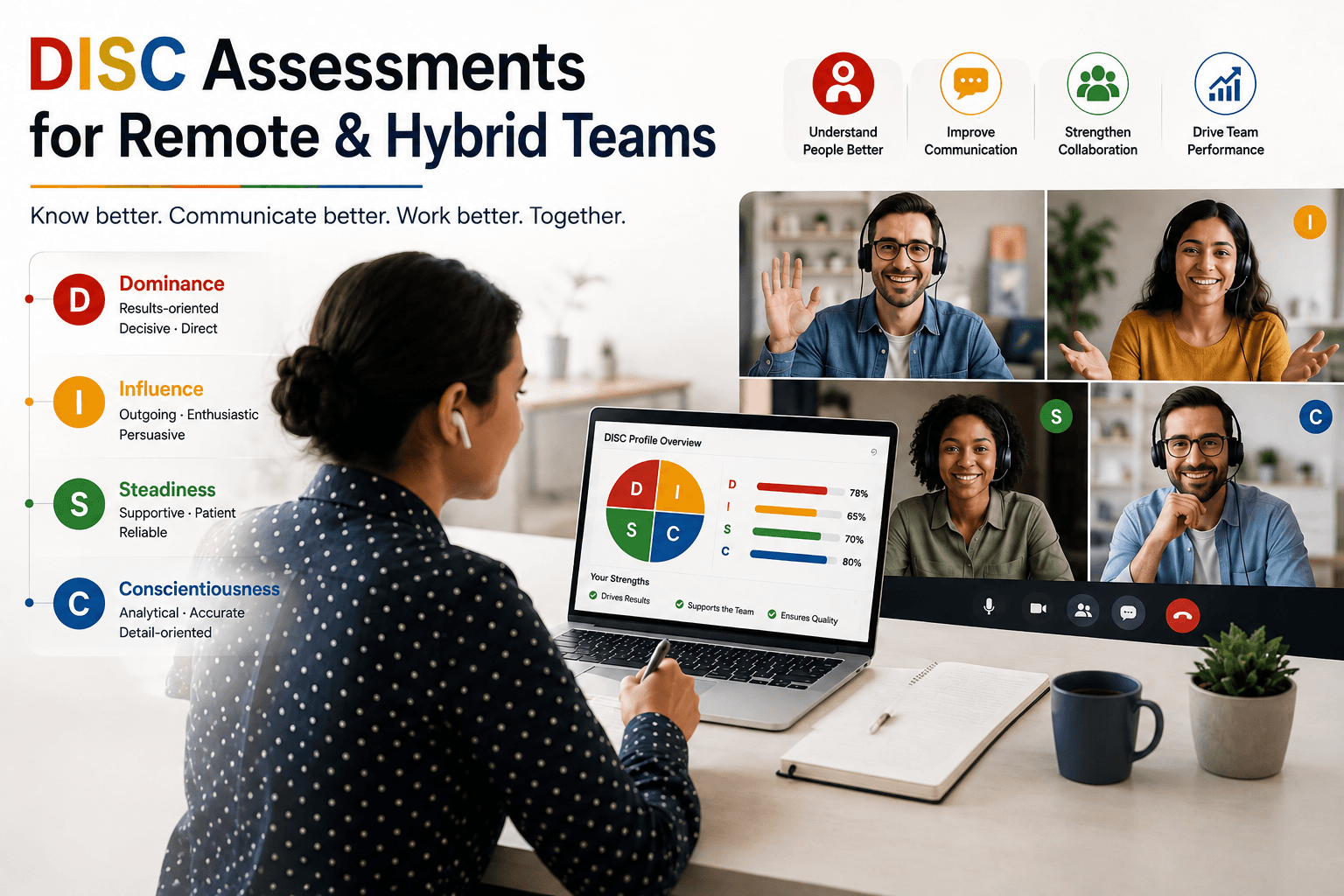
Ready to explore further? See how personality insights work specifically in remote and hybrid teams, or discover how you can significantly improve your team communication with DISC.