What is a DISC assessment for remote teams?
A DISC assessment for remote teams helps employees understand different communication and work styles, making virtual collaboration more effective. By identifying behavioral preferences, teams can reduce misunderstandings, improve engagement, and build stronger working relationships across locations.
Why do remote and hybrid teams struggle with communication?
Remote and hybrid work provides tremendous flexibility, but it fundamentally alters team dynamics. In a traditional office environment, you intuitively pick up on body language, tone of voice, and spontaneous hallway conversations. In distributed teams, these non-verbal cues disappear. A brief, direct message from a colleague might feel unexpectedly harsh to a team member who values warmth and context. Recognizing these behavioral styles is the first step in bridging the digital divide.
How to Improve Communication in Remote Teams Using DISC
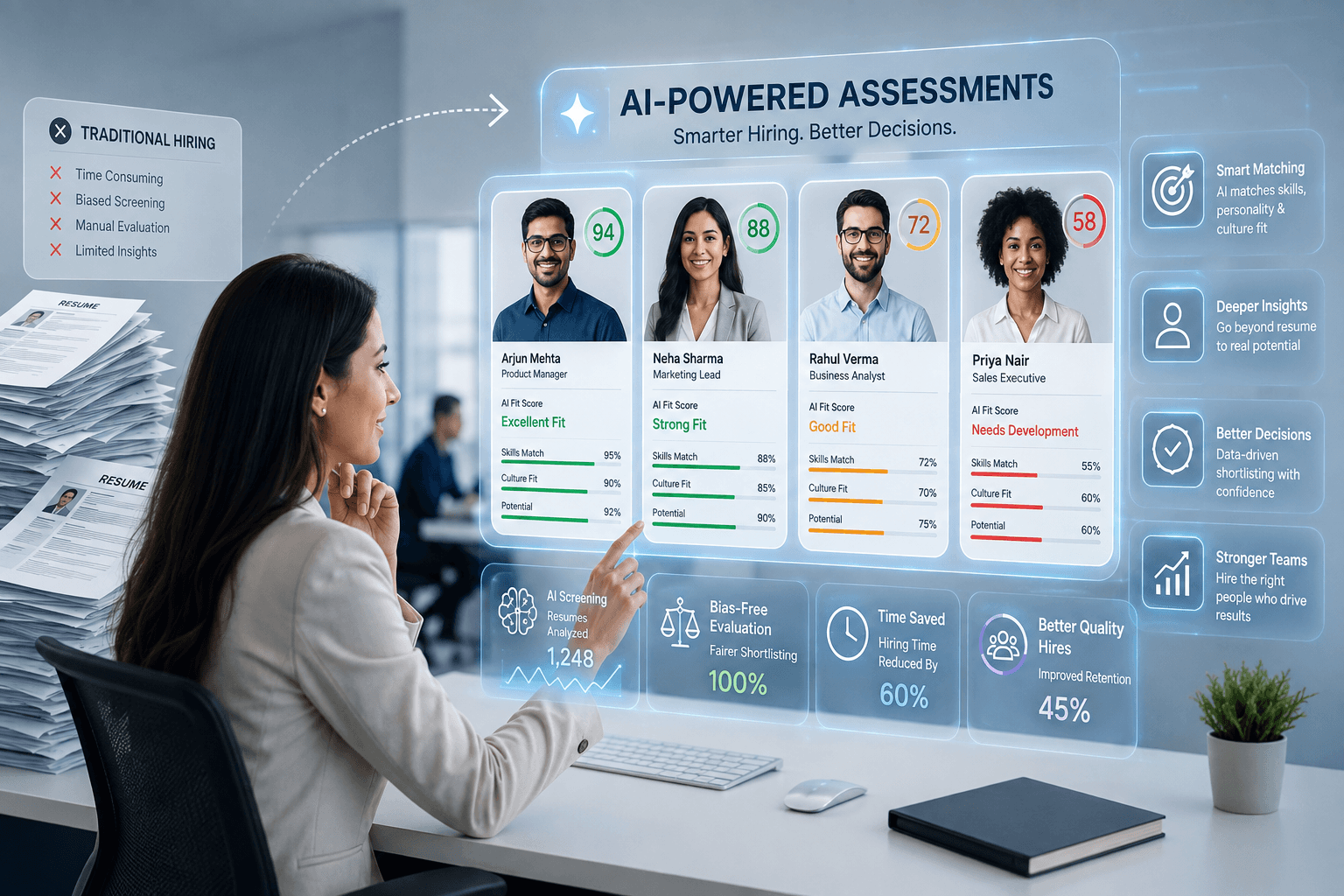
Understanding how to improve communication in remote teams using DISC starts with providing your organization a shared behavioral language. A DISC assessment for hiring ensures you bring the right communicators onboard from day one, but utilizing DISC data for your existing team is just as crucial. Here is how managers can use these insights to optimize remote team performance:
1. Virtual Onboarding
Start every new hire's journey with a behavioral overview. By sharing their profile (with permission) with the broader remote workforce, everyone learns how to adapt their communication style instantly. This accelerates trust-building that normally takes months in a virtual setting.
2. Asynchronous Communication Guidelines
How does DISC help virtual teams collaborate more effectively? By defining clear rules for asynchronous work:
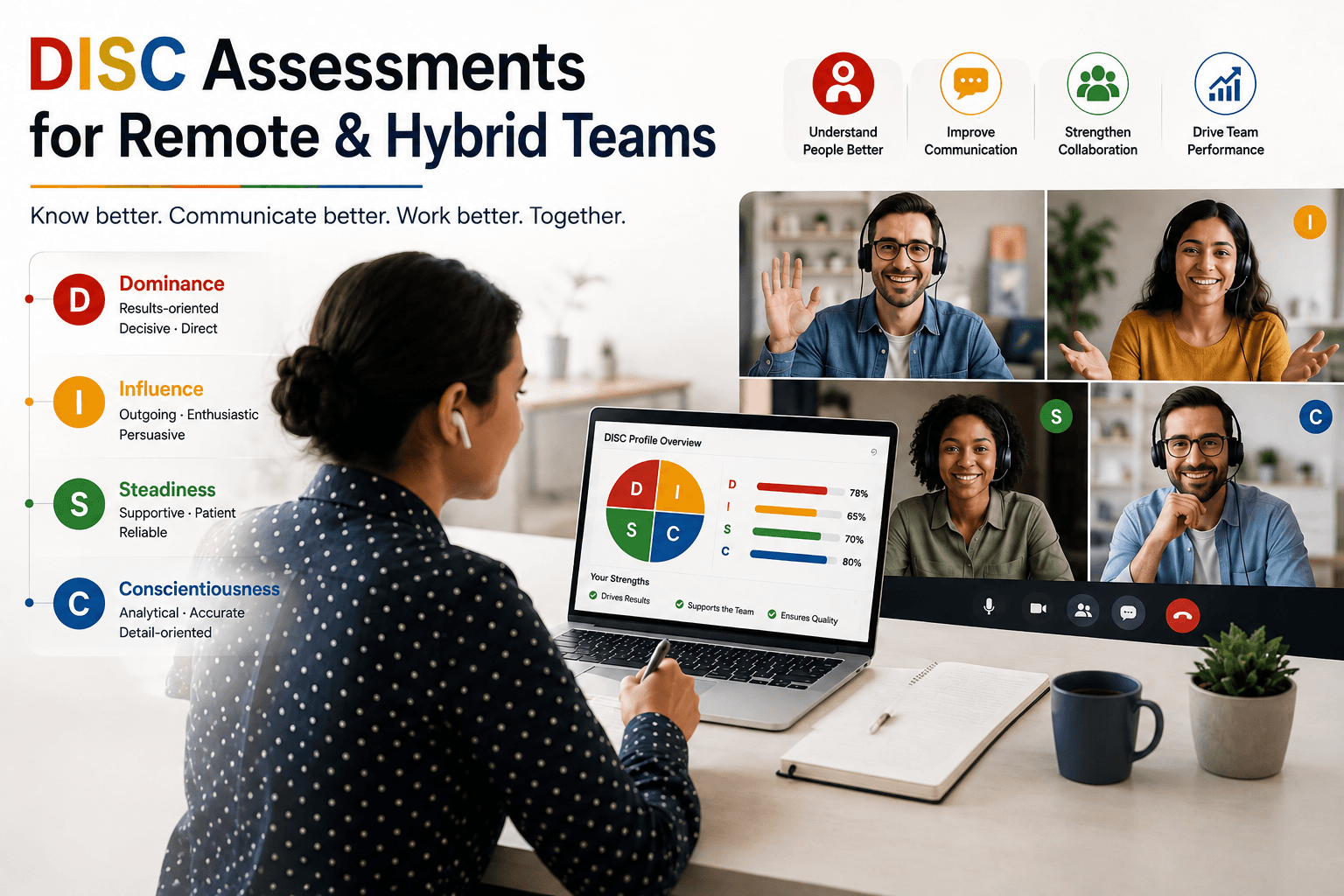
- High-D (Dominance): Prefers bullet points, clear action items, and bottom-line-up-front messages. Keep virtual communication brief and results-focused.
- High-I (Influence): Thrives on video calls and voice notes. They value enthusiasm, emojis, and personal check-ins before diving into project details.
- High-S (Steadiness): Appreciates comprehensive context, step-by-step guidance, and advance notice of changes to ensure stability in a changing hybrid environment.
- High-C (Conscientiousness): Requires data, written documentation, and structured agendas prior to virtual meetings. Give them time to prepare thoughtful responses.
What are the benefits of using personality assessments in hybrid workplaces?
The core benefits include improved employee engagement, faster conflict resolution, and increased remote work productivity. Conflicts escalate faster in remote environments because text-based communication lacks nuance. When friction arises, DISC provides an objective framework, helping the team recognize that conflicts are often behavioral, not personal.
"The best remote teams don't just share a virtual workspace — they share a common psychological language for how they work together."
How can managers use DISC insights to improve remote team performance?
Leaders can leverage team personality mapping to build strong, cross-functional partnerships. For example, pairing a detail-oriented (High-C) remote worker with a fast-paced visionary (High-D) ensures that bold ideas are executed with precision. Additionally, managers can schedule targeted 1-on-1 virtual coffee chats tailored to their direct reports' DISC compatibility, fostering organic trust without proximity.
Discover more about improving team communication with DISC and building high-performance teams.