Why is communication important in team performance?
In any modern organization, communication is the lifeblood that sustains productivity, innovation, and employee engagement. Without effective communication, even the most technically brilliant teams will struggle to execute their goals. Misunderstandings lead to missed deadlines, mounting frustration, and ultimately, high turnover. However, improving communication isn't just about talking more; it's about understanding how people process and share information.
What are DISC communication styles?
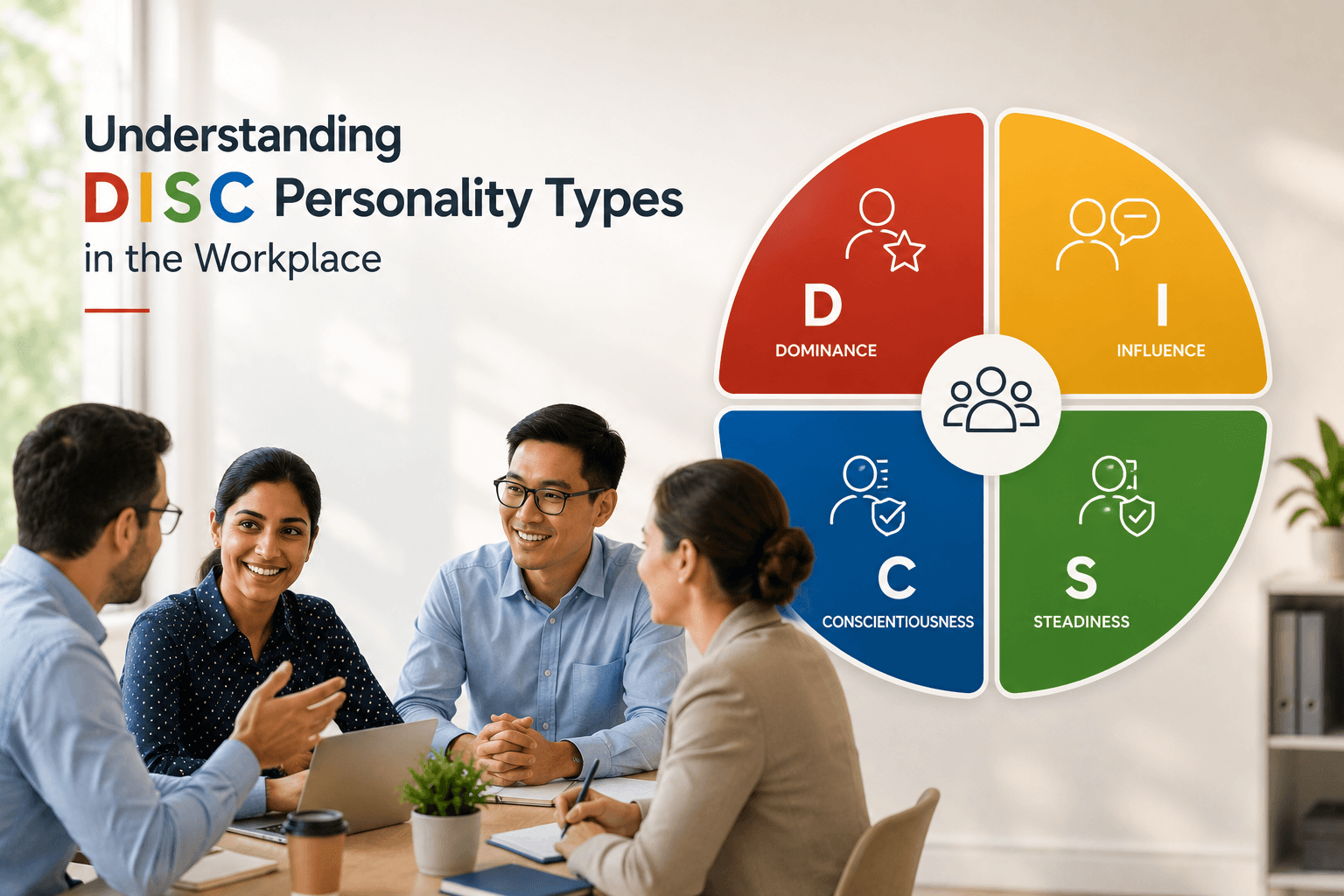
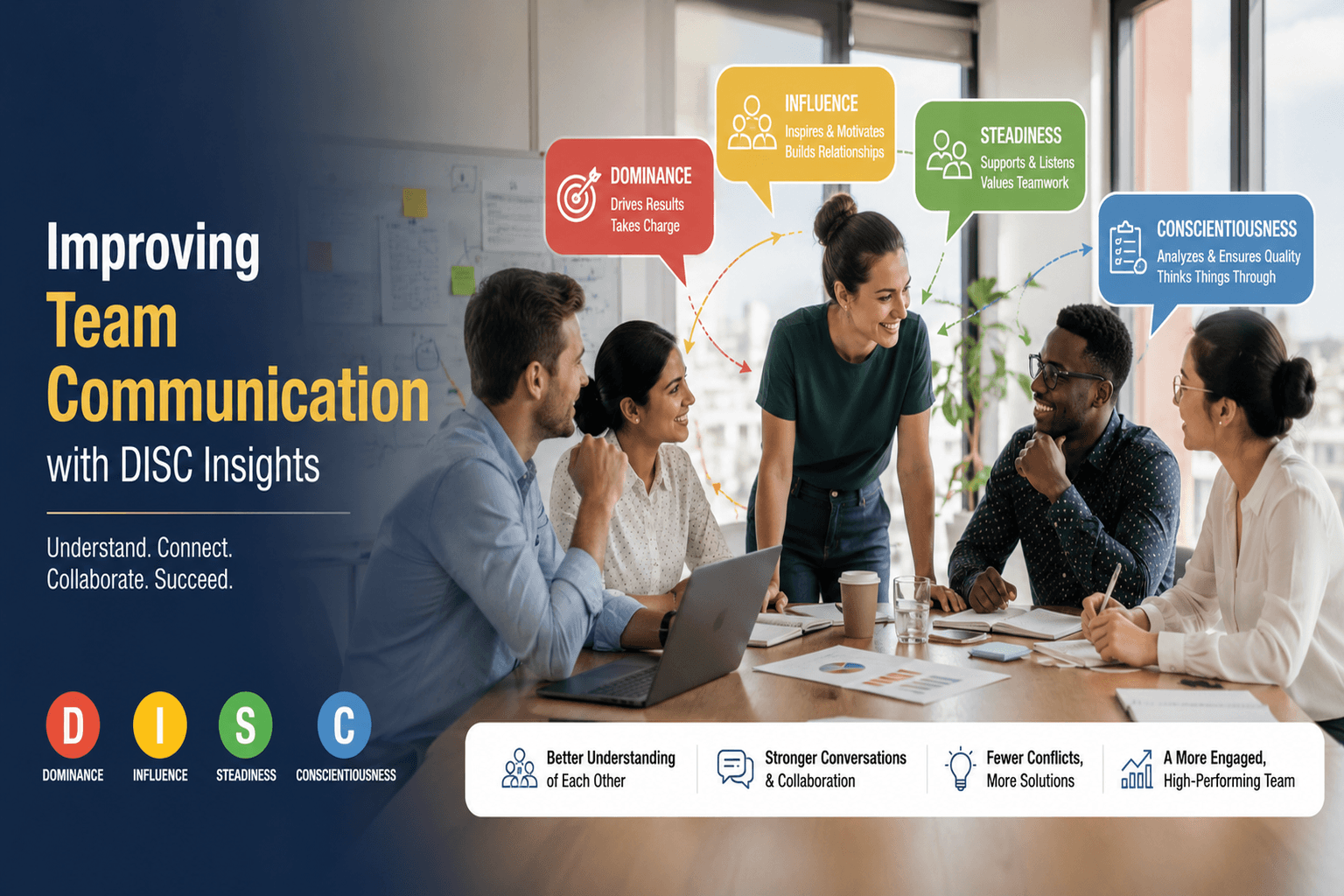
What are DISC communication styles? DISC communication styles describe how individuals prefer to communicate, collaborate, and respond to workplace situations. By understanding Dominance, Influence, Steadiness, and Conscientiousness styles, teams can improve communication, reduce misunderstandings, and build stronger working relationships.
Each of us has a natural behavioral preference. Recognizing your own style—and the styles of your coworkers—provides a powerful, objective framework for navigating the complexities of workplace interactions.
How does DISC help with workplace communication?
How does DISC help with workplace communication? DISC helps workplace communication by providing insights into how different employees prefer to share information, make decisions, and receive feedback. Understanding these preferences enables teams to communicate more effectively, improve collaboration, and minimize unnecessary conflict.
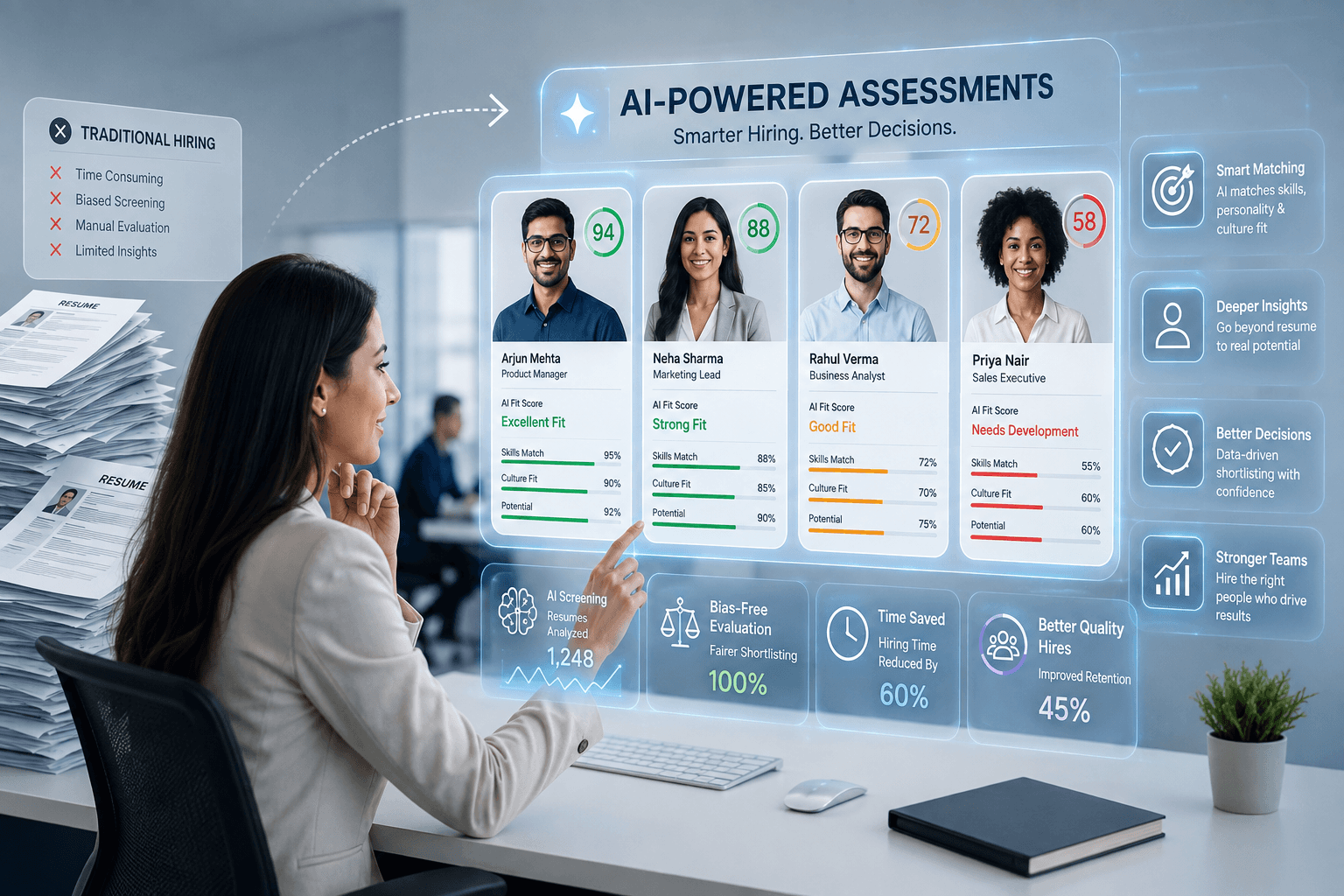
When an organization implements a DISC assessment for hiring, they aren't just screening for cultural fit; they are actively building a foundation for transparent communication. By equipping teams with a shared vocabulary, DISC removes the emotional sting from workplace friction. Suddenly, a short, blunt email isn't perceived as an insult—it's simply recognized as a "High-D" communication preference.
Deep Dive: The Four DISC Communication Styles
Dominance (D): The Direct Communicator
High-D individuals are driven by results, efficiency, and action. They view communication as a tool to achieve objectives quickly. When communicating, they tend to be assertive, direct, and sometimes blunt. They have little patience for small talk or overly detailed explanations.
- How they speak: Fast-paced, authoritative, and bottom-line-oriented.
- How they write: Short emails, often utilizing bullet points and bold text. They may omit pleasantries.
- How to communicate with them: Be concise. State the purpose of the conversation immediately. Focus on solutions rather than problems, and highlight the results of any proposed action. Avoid micromanaging their time.
- Potential blind spots: They may come across as aggressive or intimidating, accidentally shutting down quieter team members.
Influence (I): The Enthusiastic Communicator
High-I individuals are outgoing, persuasive, and relationship-focused. They view communication as a way to connect, inspire, and brainstorm. They process information verbally and often think out loud, relying heavily on stories, emotion, and enthusiasm.
- How they speak: Expressive, energetic, and engaging. They frequently use hand gestures and varied vocal tones.
- How they write: Chatty emails filled with exclamation points, emojis, and personal check-ins before getting to business.
- How to communicate with them: Build rapport first. Allow time for socializing before diving into tasks. Focus on the positive aspects of a project and emphasize teamwork. Use visual aids and interactive discussions.
- Potential blind spots: They may struggle with active listening, over-promise on deadlines, and miss critical details in their excitement.
Steadiness (S): The Supportive Communicator
High-S individuals are calm, patient, and deeply empathetic. They prioritize harmony, consistency, and active listening. They view communication as a means to maintain stable relationships and ensure everyone feels supported.
- How they speak: Soft-spoken, measured, and highly highly attentive. They ask thoughtful questions rather than making bold statements.
- How they write: Warm, detailed, and polite. They ensure tone is gentle and often check for consensus.
- How to communicate with them: Be sincere and patient. Provide step-by-step explanations and comprehensive context. Give them advance notice of any changes, as they prefer stability. Ask for their opinion directly, but give them time to process before expecting an answer.
- Potential blind spots: They may avoid necessary conflict, struggle to say no, and withhold constructive feedback to keep the peace.
Conscientiousness (C): The Analytical Communicator
High-C individuals are logical, precise, and data-driven. They view communication as the exchange of accurate, verifiable information. They value quality, adhere to rules, and focus heavily on the details that others might overlook.
- How they speak: Deliberate, questioning, and objective. They speak carefully to ensure accuracy.
- How they write: Highly structured, comprehensive emails with charts, data points, and documented evidence.
- How to communicate with them: Stick to the facts. Provide data, evidence, and clear expectations. Answer their questions thoroughly and logically. Avoid overly emotional appeals or spontaneous meetings without an agenda.
- Potential blind spots: They can suffer from analysis paralysis, appear overly critical, and prioritize perfection over deadlines.
Why do communication breakdowns happen in teams?
Most workplace communication breakdowns are not the result of malicious intent; they are the result of conflicting behavioral communication styles. When two people approach a problem with entirely different linguistic frameworks, misunderstandings are inevitable.
Consider a scenario where a High-I manager asks a High-C employee to "draft a quick, exciting proposal." The High-I manager wants a high-level, visually appealing pitch delivered quickly. The High-C employee, however, interprets "proposal" as a comprehensive, flawless document requiring extensive research. A week later, the manager is frustrated by the delay, and the employee is frustrated by the lack of specific parameters. DISC bridges this gap by highlighting exactly where these expectations diverge.
How can managers communicate better with different personality types?
Leadership communication strategies must be adaptable. A one-size-fits-all approach to management guarantees that a significant portion of your team will feel misunderstood. Here is how managers can tailor their approach:
- Managing D Types: Give them autonomy. Set clear goals, define the boundaries, and let them determine the path. Reward them with challenging projects.
- Managing I Types: Provide public recognition. Keep them engaged with varied tasks and collaborative environments. Help them structure their time to ensure follow-through.
- Managing S Types: Offer a stable, predictable environment. Recognize their contributions privately and sincerely. Guide them gently through organizational changes.
- Managing C Types: Respect their expertise. Validate their work with objective criteria. Give them the time and resources they need to ensure quality.
How does understanding behavioral styles reduce workplace conflict?
Conflict is inevitable in any high-performing team, but it does not have to be destructive. How does DISC reduce workplace conflict? By shifting the narrative from personal attacks to behavioral differences.
When friction arises between a fast-paced High-D and a methodical High-S, team conflict resolution becomes much easier if both parties understand DISC. The High-D learns that the High-S isn't dragging their feet to be difficult; they are simply ensuring stability. The High-S learns that the High-D isn't being aggressively dismissive; they are simply prioritizing speed. This mutual understanding depersonalizes the conflict, allowing the team to find a middle ground that balances efficiency with thoroughness.
Practical Steps to Improve Collaboration Among Employees
If you want to fundamentally transform team dynamics, communication training for teams using DISC should be embedded into your daily operations. Consider these practical implementations:
- Optimize Meetings: Distribute detailed agendas 24 hours in advance (satisfying the C types), start with a brief 5-minute personal check-in (satisfying the I types), keep the core discussion focused on actionable outcomes (satisfying the D types), and explicitly ask quieter members for their input (satisfying the S types).
- Create "User Manuals": Have every employee write a brief "How to work with me" document based on their DISC profile, detailing their communication preferences, pet peeves, and ideal feedback environment.
- Tailor Feedback: Deliver criticism based on the recipient's style. Give D types direct, no-nonsense feedback. Give I types the "feedback sandwich" (positive, constructive, positive). Give S types gentle, supportive guidance. Give C types objective, data-backed corrections.
Conclusion: A Shared Language for Success
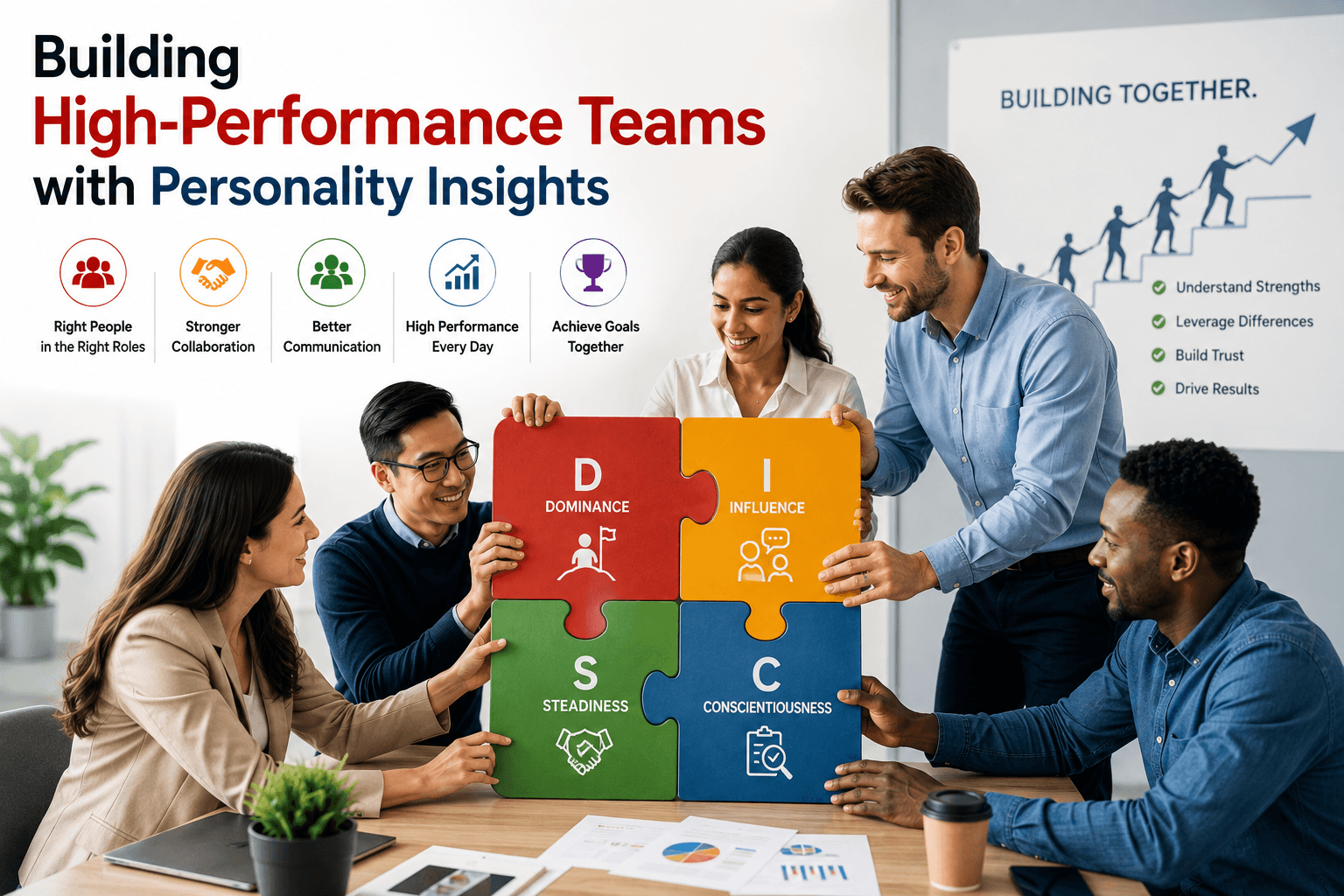
Ultimately, a workplace communication assessment like DISC is not about boxing people into rigid categories. It is about providing a behavioral compass. When employees understand the vast spectrum of employee communication preferences, they develop deep empathy and unprecedented adaptability.
By making DISC the cornerstone of your team dynamics, you empower your workforce to navigate complex challenges, resolve conflicts swiftly, and collaborate with unparalleled efficiency.
Ready to put these insights into practice? Explore how DISC applies specifically to remote team communication, or learn about the foundational steps for building high-performance teams.