What is a DISC personality test for hiring?
A DISC personality test for hiring helps employers understand a candidate's behavioral style, communication preferences, and work approach. When used alongside interviews and skills assessments, it provides additional insights that support more informed hiring decisions.
Why use a pre-employment personality test in your recruitment strategy?
Resumes show hard skills, and traditional interviews reveal presentation ability. However, neither reliably predicts how a candidate will behave on the job under pressure. Utilizing a comprehensive behavioral assessment platform fills this critical gap in talent acquisition. By measuring behavioral tendencies—how someone communicates, collaborates, and approaches complex tasks—recruiters can drastically improve their employee selection process and long-term workforce planning.
How do you use a DISC assessment in the recruitment process?
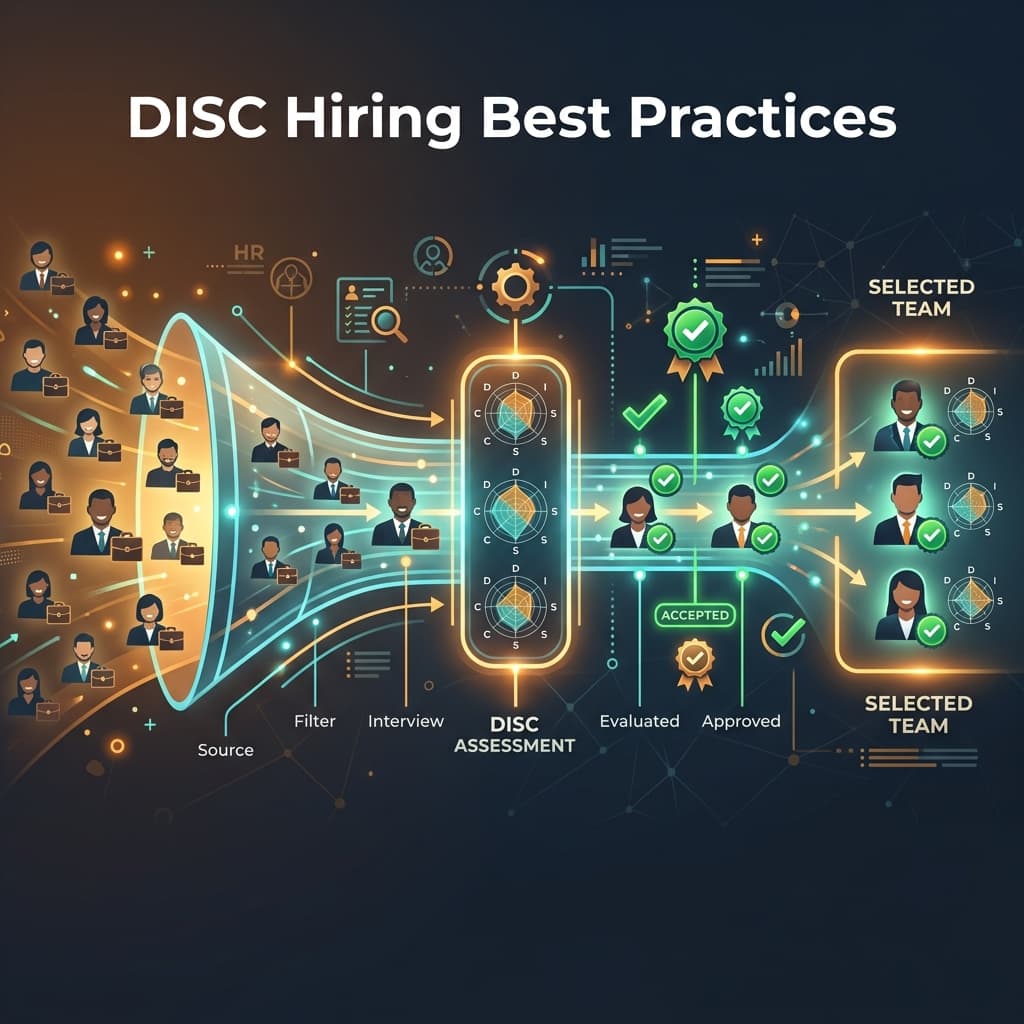
Understanding how to use DISC assessment in the recruitment process requires a structured approach. A DISC assessment is typically used after initial candidate screening and alongside structured interviews. It helps recruiters evaluate behavioral fit for the role, identify communication styles, and support onboarding and team placement decisions.
Step-by-Step Hiring Assessment Framework
Step 1: Define the Role's Behavioral Profile
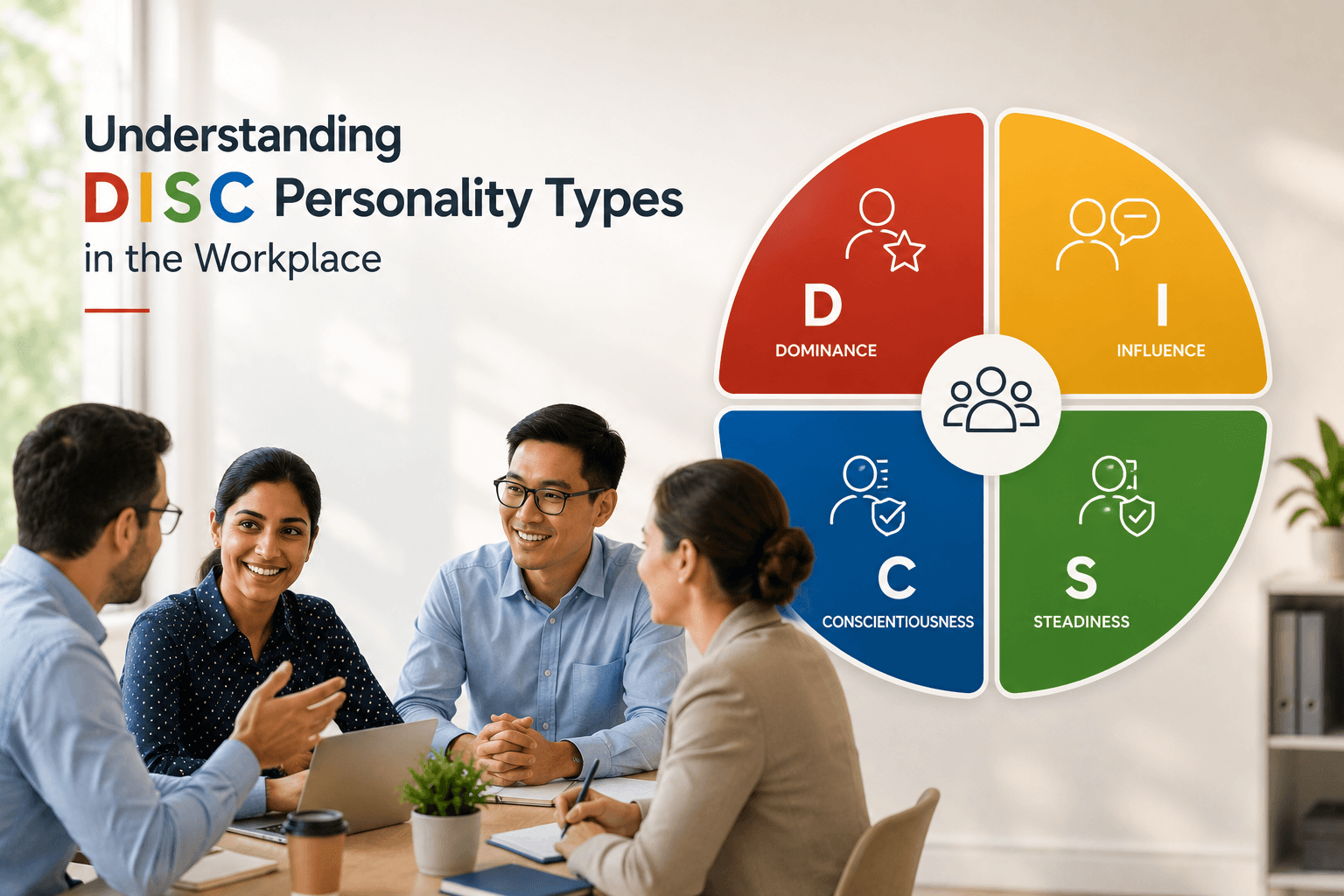
Before evaluating any candidates, define the ideal behavioral style for the role. A fast-paced sales position may favor high-Dominance (D) and high-Influence (I) traits (assertive and persuasive). Conversely, a rigorous quality assurance role may favor high-Conscientiousness (C) and high-Steadiness (S) traits (detail-oriented, analytical, and reliable).
Step 2: Administer the Assessment at the Right Time
When should a DISC assessment be used during recruitment? The best practice is to send the DISC assessment after the initial resume screening but before the in-depth behavioral interview process. This timing allows interviewers to review the candidate behavioral assessment in advance and tailor their questions accordingly.
Step 3: Interpret Results for Behavioral Fit
How do recruiters evaluate behavioral fit? Do not look for a "perfect" or identical DISC type. Instead, compare the candidate's personality assessment against the role's ideal benchmark. A candidate with a 70% match who possesses complementary secondary traits is often much more valuable to team dynamics than a rigid 100% match.
Step 4: Combine DISC Insights with Behavioral Interviewing
Use the talent assessment software data to craft highly targeted interview questions. For a highly enthusiastic (High-I) candidate, ask them to describe a time they had to manage meticulous details under strict deadlines. For an analytical (High-C) candidate, ask about a situation requiring a rapid hiring decision with incomplete data.
Can DISC predict job performance?
While no single hiring assessment tool can guarantee future success, DISC assessments significantly enhance the accuracy of hiring decisions. They do not measure intelligence or specific hard skills, but they accurately predict how a candidate will interact with their environment. Organizations that integrate DISC into their talent acquisition strategy typically see a 30-40% improvement in new hire retention and faster onboarding times.
Legal and Ethical Best Practices for Recruitment
Should employers use DISC assessments for hiring? Yes, provided they follow recruitment best practices and avoid common mistakes. What mistakes should recruiters avoid when using personality assessments?
- Never use it as a standalone filter: DISC should be one factor among many—never the sole hiring criterion.
- Ensure consistency: Apply the employee personality assessment consistently to all candidates interviewing for the same role.
- Focus on job-relevance: Evaluate candidates based on job-relevant behavioral traits required for the position, rather than generalized personality labels.
- Maintain compliance: Ensure your workforce assessment process complies with local employment laws (such as EEOC guidelines in the US) and data privacy regulations like GDPR.
Conclusion: Transforming the Employee Selection Process
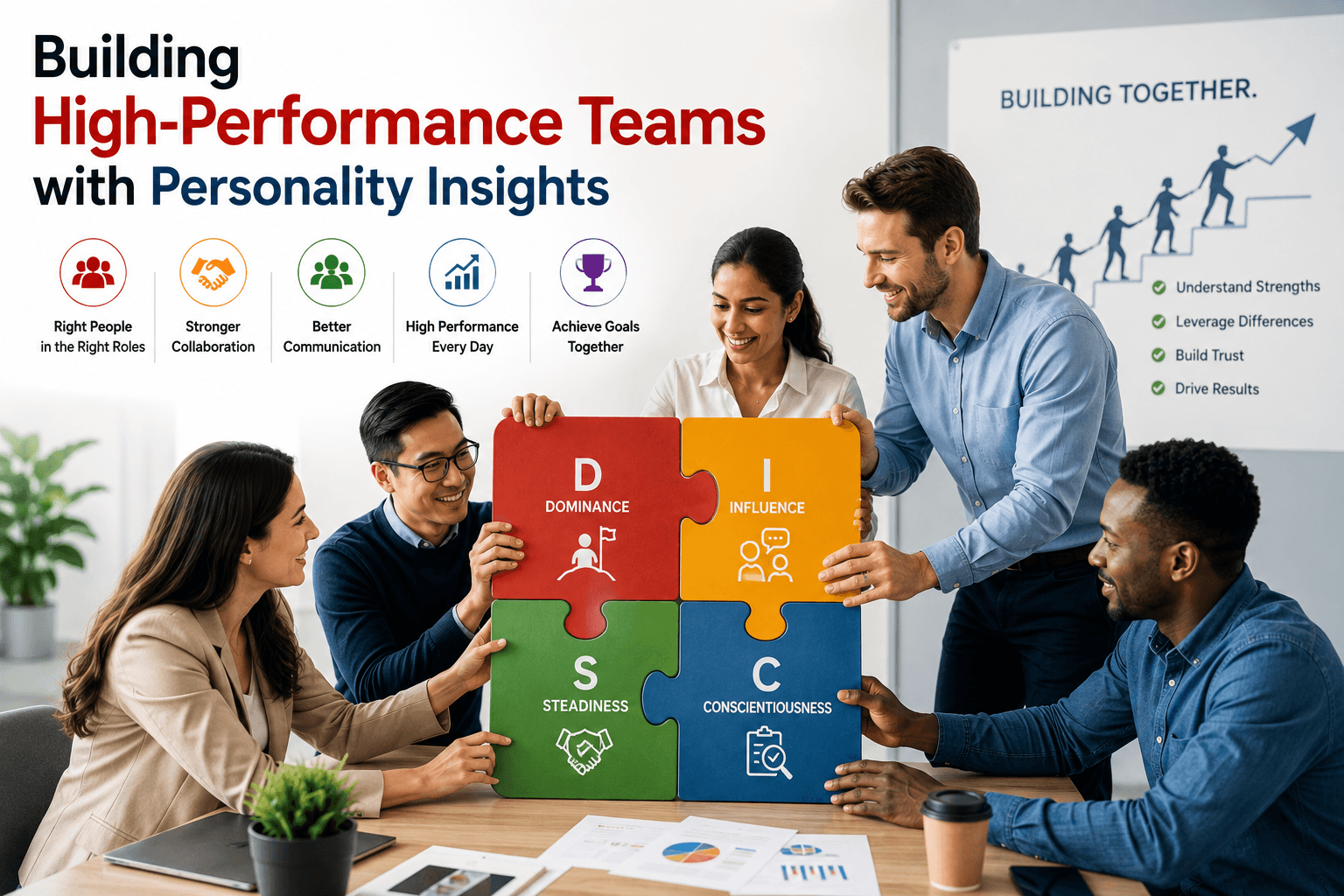
Integrating a personality assessment for recruitment transforms how organizations build their teams. By understanding the deeper behavioral drivers of your candidates, you move beyond surface-level qualifications and make confident hiring decisions based on personality, culture add, and role alignment.
"The best hires aren't just skilled — they are behaviorally aligned with the role, the team, and the organizational culture."
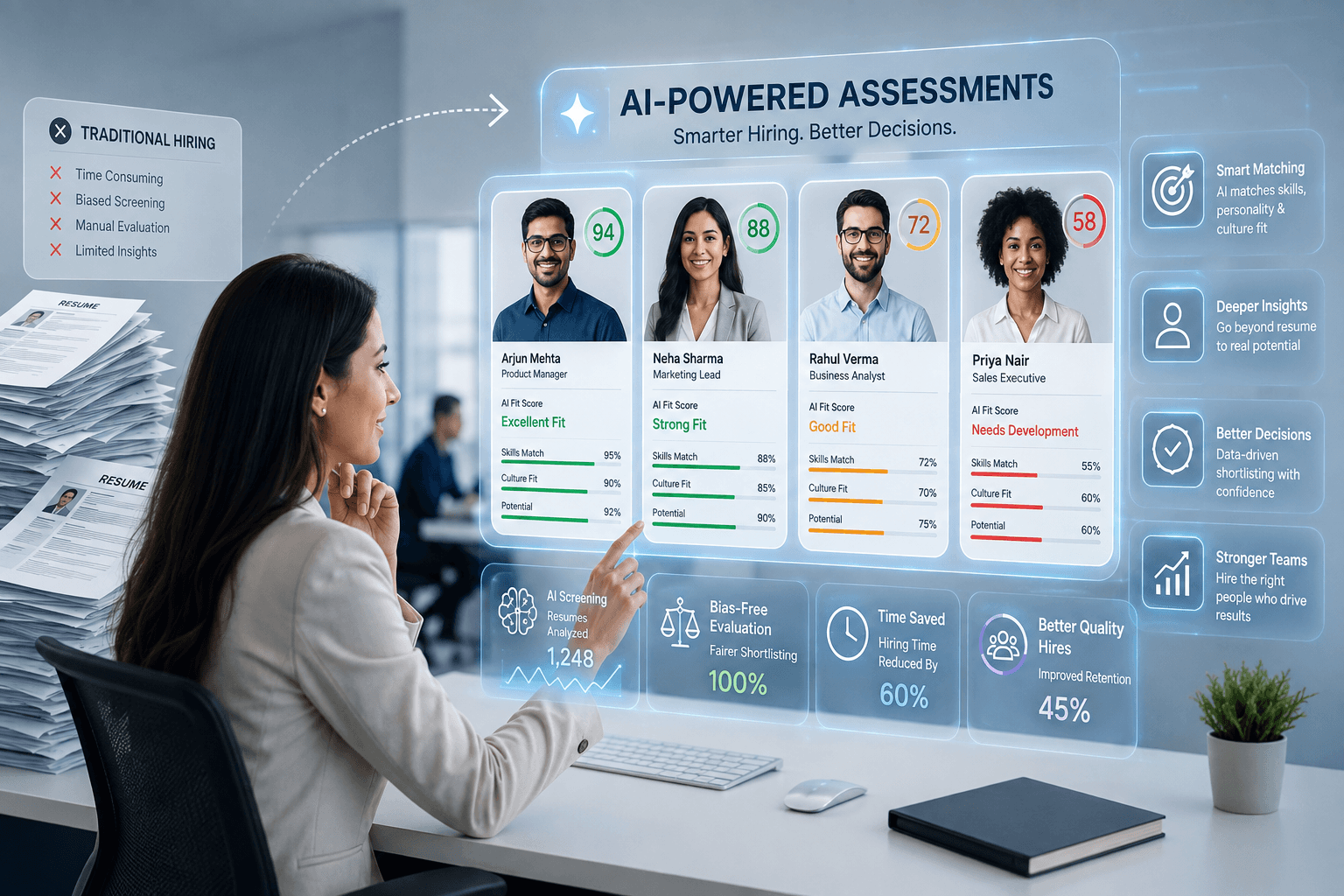
Compare DISC with other assessment methods in our DISC vs MBTI comparison or learn how AI is transforming hiring assessments.