DISC vs Myers-Briggs (MBTI): Which Test Is Right for Your Team?
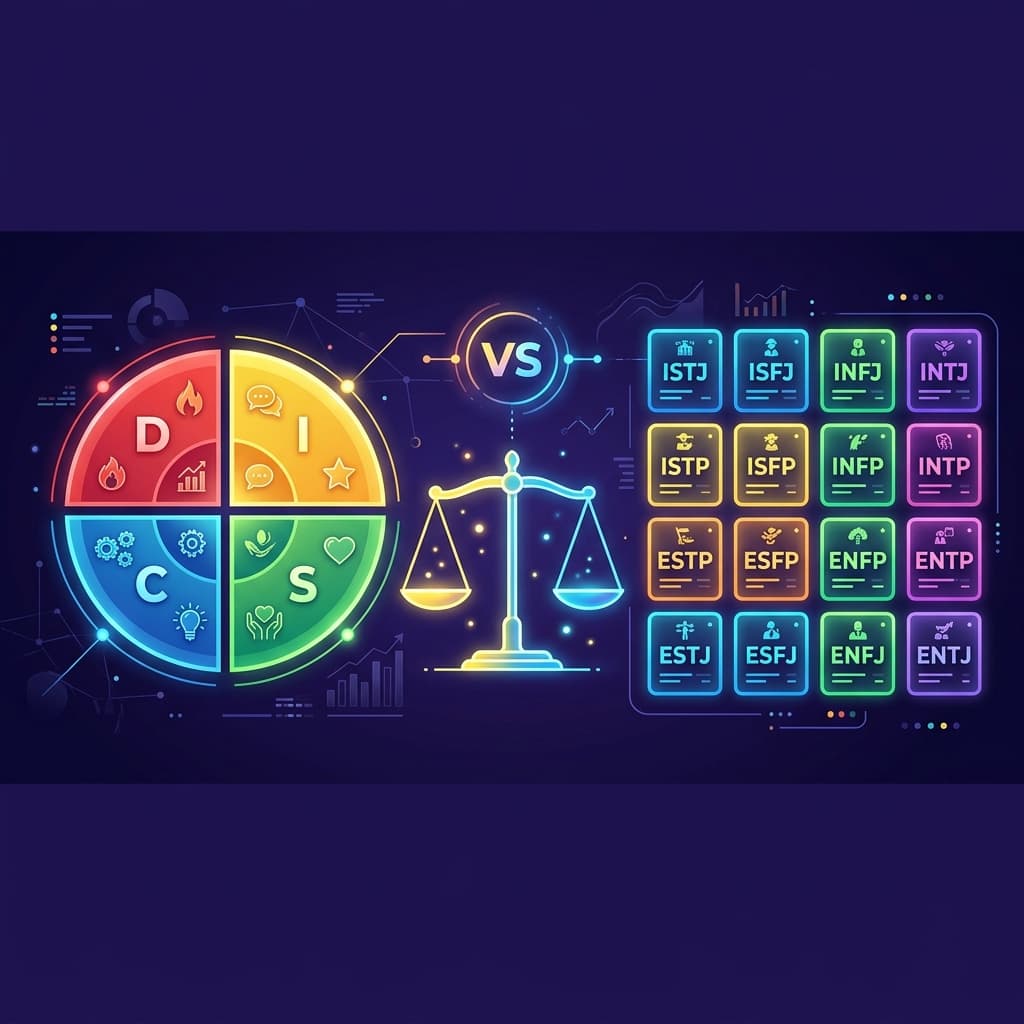
When organizations evaluate how to improve team communication and leadership development, two frameworks dominate the conversation: DISC and Myers-Briggs Type Indicator (MBTI). While both have millions of users worldwide, they measure fundamentally different things and serve entirely different organizational purposes.
What is DISC?
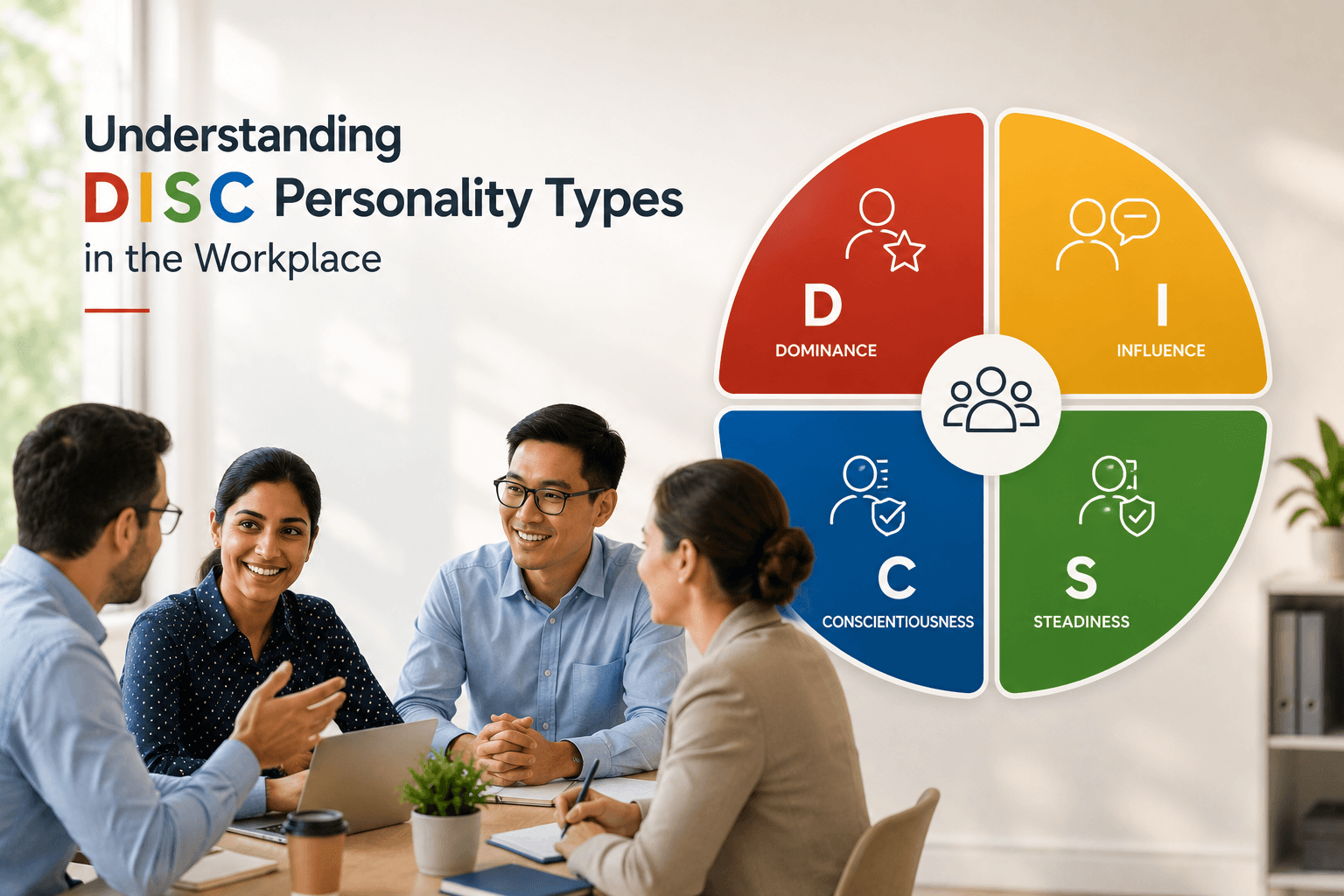
What is DISC? DISC is a behavioral assessment that measures observable behavior—how an individual acts, communicates, and responds to their environment. By categorizing behaviors into Dominance, Influence, Steadiness, and Conscientiousness, it provides highly actionable insights for workplace communication, conflict resolution, and team effectiveness.
What is Myers-Briggs (MBTI)?
What is Myers-Briggs (MBTI)? MBTI is a psychological personality assessment that measures how individuals perceive the world and make decisions. It categorizes people into 16 fixed personality types based on internal cognitive preferences (e.g., Introversion vs Extraversion), making it a popular tool for deep personal self-awareness.
What is the difference between DISC and MBTI?
What is the difference between DISC and MBTI? The primary difference is that DISC measures observable external behavior, while MBTI measures internal psychological preferences. DISC is adaptable and focuses on how you interact with others at work, whereas MBTI focuses on innate cognitive processing and how you view the world.
DISC vs MBTI: Key Differences at a Glance
| Feature | DISC Assessment | MBTI Assessment |
|---|---|---|
| Measures | Observable workplace behavior | Internal psychological preferences |
| Categories | 4 styles (fluid blends) | 16 types (fixed dichotomies) |
| Assessment Time | 10–15 minutes | 30–45 minutes |
| Hiring Use | Widely accepted for behavioral fit | Not recommended by the publisher |
| Adaptability | Styles flex based on context | Type is considered innate and static |
| Business Focus | Team communication & collaboration | Personal self-awareness & reflection |
Is DISC or Myers-Briggs better for workplace use?
Is DISC or Myers-Briggs better for workplace use? For most daily workplace applications, DISC is generally better. Because DISC focuses on observable behavior, teams can easily remember the four styles and immediately apply the insights to improve communication, manage conflict, and enhance team collaboration. MBTI's 16 types are deeply insightful but are often too complex for employees to apply practically in fast-paced environments.
Which assessment is better for hiring?
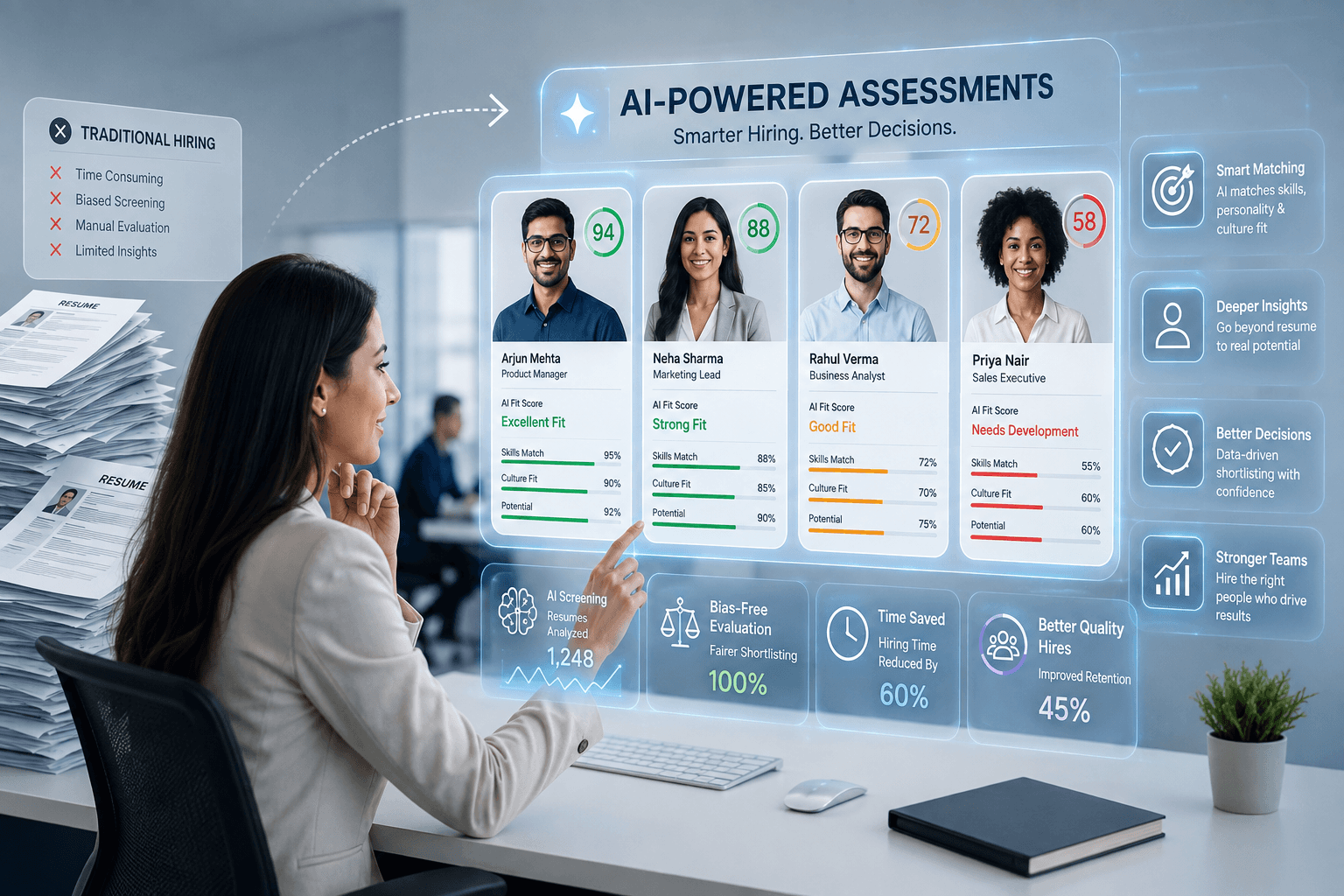
DISC is significantly better for hiring. In fact, the publishers of the MBTI explicitly state that the Myers-Briggs personality test should not be used for hiring or employee selection. Utilizing a reliable behavioral assessment platform based on DISC allows recruiters to accurately assess candidate behavioral fit, workplace communication styles, and potential team dynamics.
Can DISC or MBTI predict job performance?
Neither assessment measures intelligence, hard skills, or competence, so neither can independently predict total job performance. However, DISC is highly effective at predicting behavioral alignment with a role (e.g., predicting if a candidate will thrive in a fast-paced, high-stress sales environment). MBTI is not designed to predict job performance and should not be used as a performance metric.
Which assessment is better for leadership development and coaching?
Both assessments offer tremendous value here, but they serve different phases of development. MBTI is excellent for deep executive coaching where leaders need to explore their internal motivations and cognitive biases. DISC is vastly superior for actionable leadership development—teaching managers exactly how to adapt their management styles to communicate effectively with different employee personality types.
Can DISC and MBTI be used together?
Absolutely. They are complementary, not mutually exclusive. A comprehensive organizational development strategy might use DISC for team building, conflict management, and hiring assessments, while reserving MBTI for deep-dive personal development retreats or intensive 1-on-1 executive coaching.
Conclusion: Choosing the Right Personality Assessment for Teams
When deciding between DISC vs MBTI, look at your immediate goals. If you want to improve team effectiveness, streamline your recruitment assessment process, and give your employees a simple, shared language for daily collaboration, DISC is the clear choice.
Ready to leverage behavioral profiling for your team? Explore our guide on understanding the four DISC types or learn how to implement DISC in your hiring process.