What is a DISC personality test?
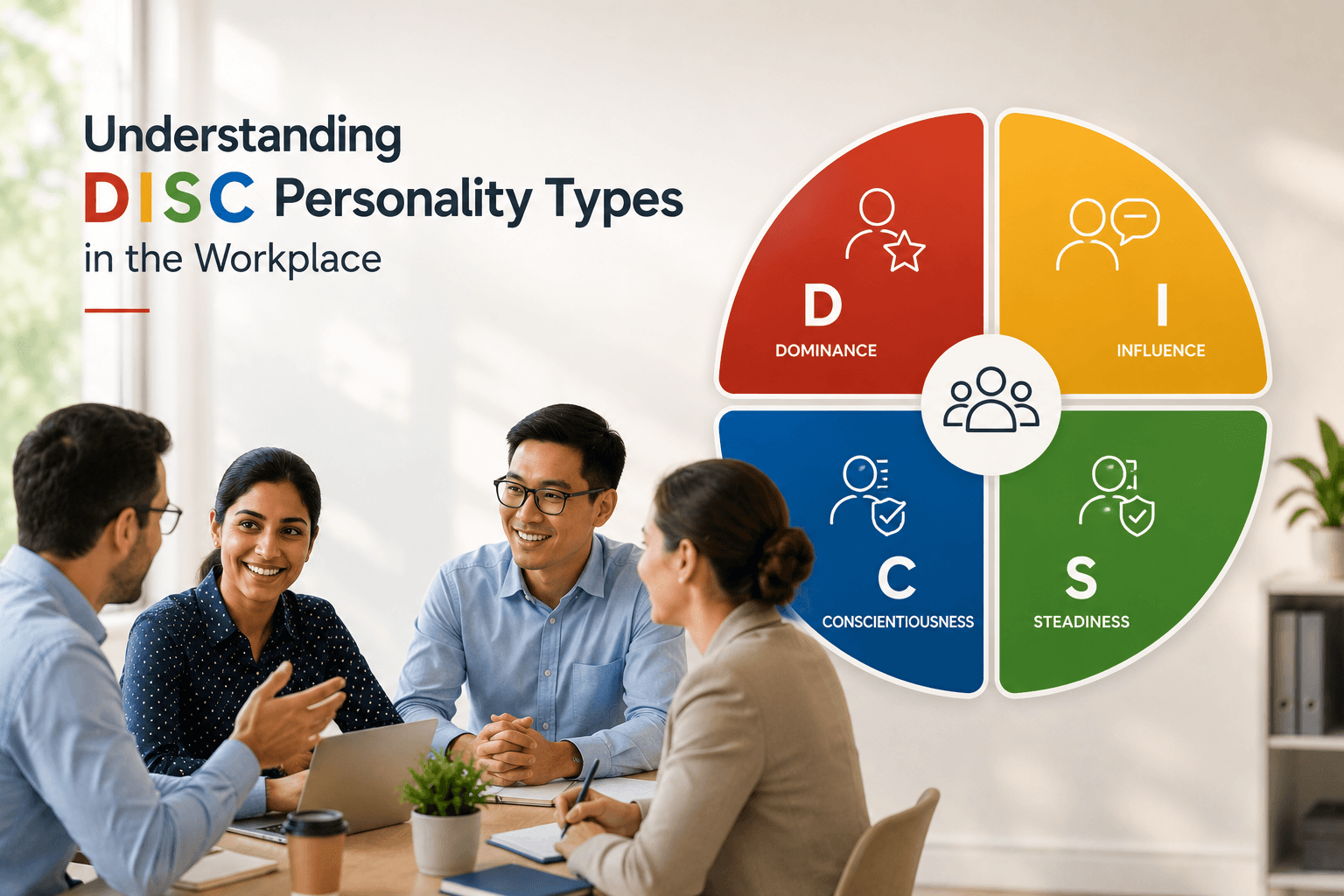
A DISC personality test is a behavioral assessment that helps people understand their communication style, work preferences, and interactions with others. It categorizes observable behaviors into four primary styles—Dominance, Influence, Steadiness, and Conscientiousness—to support personal development, teamwork, leadership, and workplace communication.
What does DISC stand for?
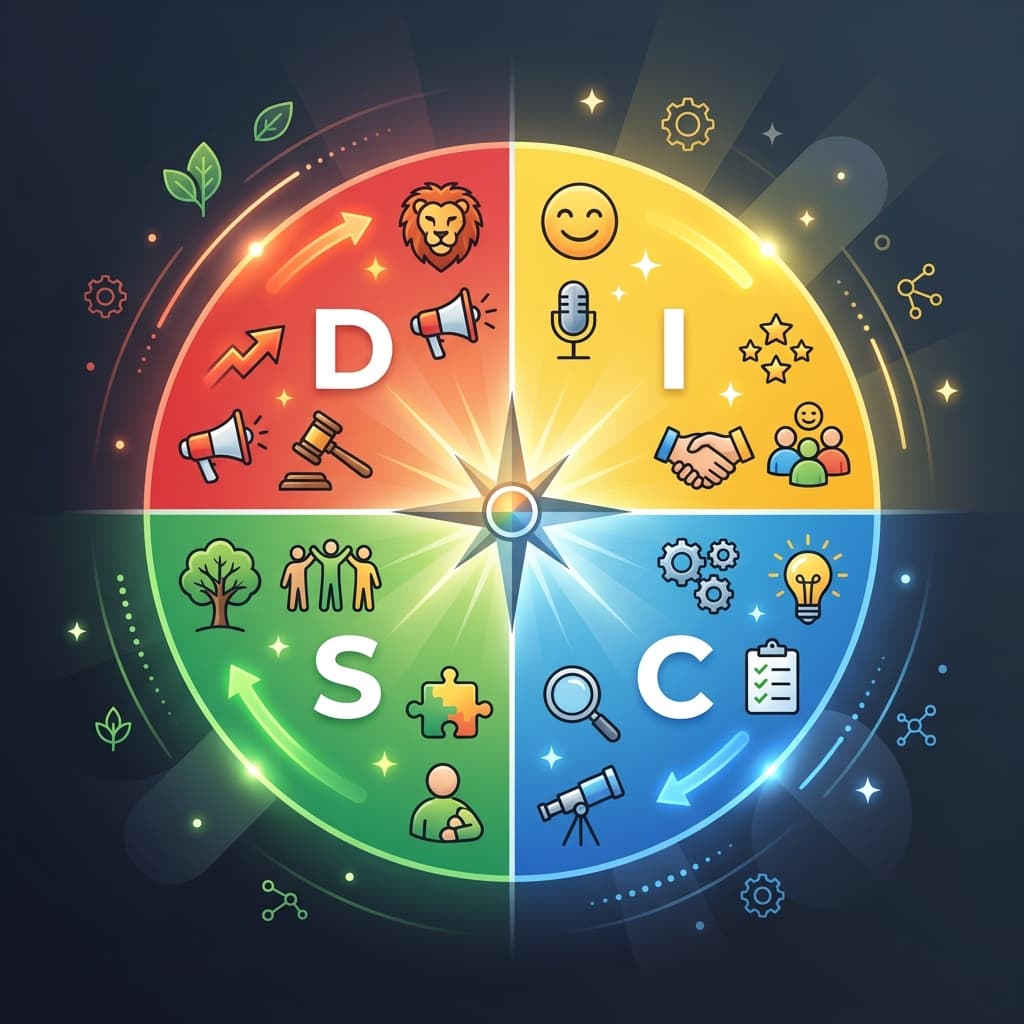
What does DISC stand for? DISC stands for Dominance, Influence, Steadiness, and Conscientiousness. These four behavioral styles describe how people approach challenges, communicate, make decisions, and collaborate with others in personal and professional settings.
The Four DISC Personality Types Explained
Every person exhibits a blend of all four traits to varying degrees, creating a unique DISC personality profile. Here is the DISC personality test explained for beginners:
D — Dominance
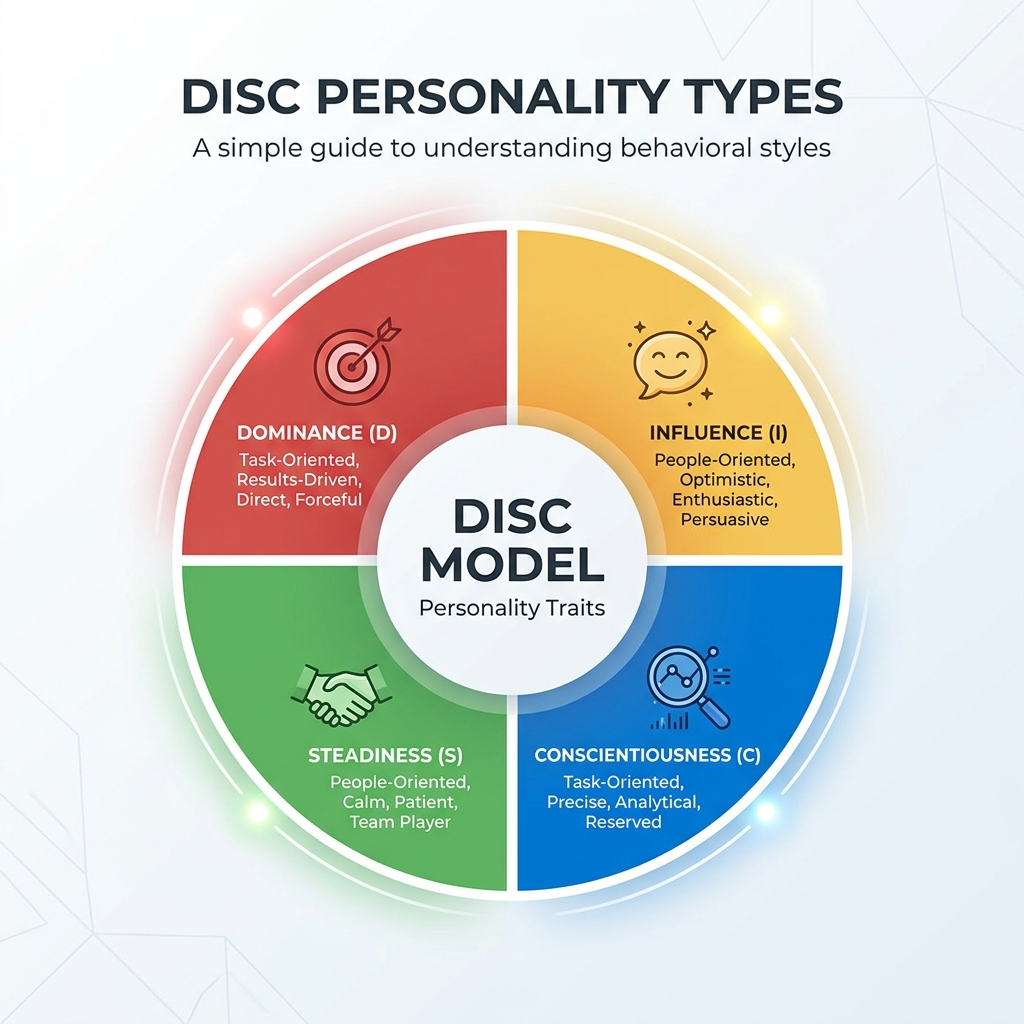
People high in Dominance are results-driven, direct, and competitive. They thrive under pressure, prefer to take charge, and focus heavily on the bottom line. At work, they are the decision-makers who ask, "What is the final outcome?"
I — Influence
People high in Influence are enthusiastic, optimistic, and highly collaborative. They naturally energize teams, build relationships effortlessly, and communicate with passion. At work, they are the charismatic communicators who rally the team around new ideas.
S — Steadiness
People high in Steadiness are patient, reliable, and deeply team-oriented. They value stability, support their colleagues, and prefer consistent, predictable environments. At work, they are the loyal foundational members holding teams together during times of change.
C — Conscientiousness
People high in Conscientiousness are analytical, detail-oriented, and intensely quality-focused. They set high standards, follow strict processes, and make objective decisions based on data. At work, they are the analytical thinkers who ensure absolute accuracy.
How does the DISC personality test work?
A typical DISC behavioral assessment presents a series of statements or word groups. For each question, you select which statement is "most like you" and which is "least like you." The assessment is untimed, but taking it efficiently usually yields the most authentic behavioral profiling.
How long does a DISC assessment take?
Most modern DISC assessments take approximately 10 to 15 minutes to complete online. Afterward, the system instantly generates a comprehensive personalized report detailing your communication styles, strengths, and potential blind spots.
What does a DISC report include?
A standard DISC report includes a breakdown of your primary and secondary behavioral styles, actionable tips for workplace communication, strategies for conflict resolution, and guidance on how you can best interact with the other three DISC types.
Is the DISC assessment scientifically based?
Yes. The foundational theory originated from Harvard psychologist William Moulton Marston in the 1920s. Over the past century, modern organizational psychology and behavioral science have rigorously validated and refined the assessment, making it highly reliable for analyzing workplace behavior.
How accurate is the DISC personality test?
When administered through a scientifically validated behavioral assessment platform, DISC is highly accurate at measuring observable behavioral tendencies. However, it is important to remember that it measures behavior, not emotional intelligence, IQ, or hard skills.
Workplace Applications: Is DISC used in the workplace?
Absolutely. Over 50 million professionals have taken a DISC assessment, making it the premier workplace personality assessment worldwide. It is utilized heavily for:
- Can DISC improve communication? Yes, by teaching teams a shared language to resolve conflicts and misunderstandings.
- Can DISC help managers? Yes, by showing leaders how to adapt their management styles to motivate different employees.
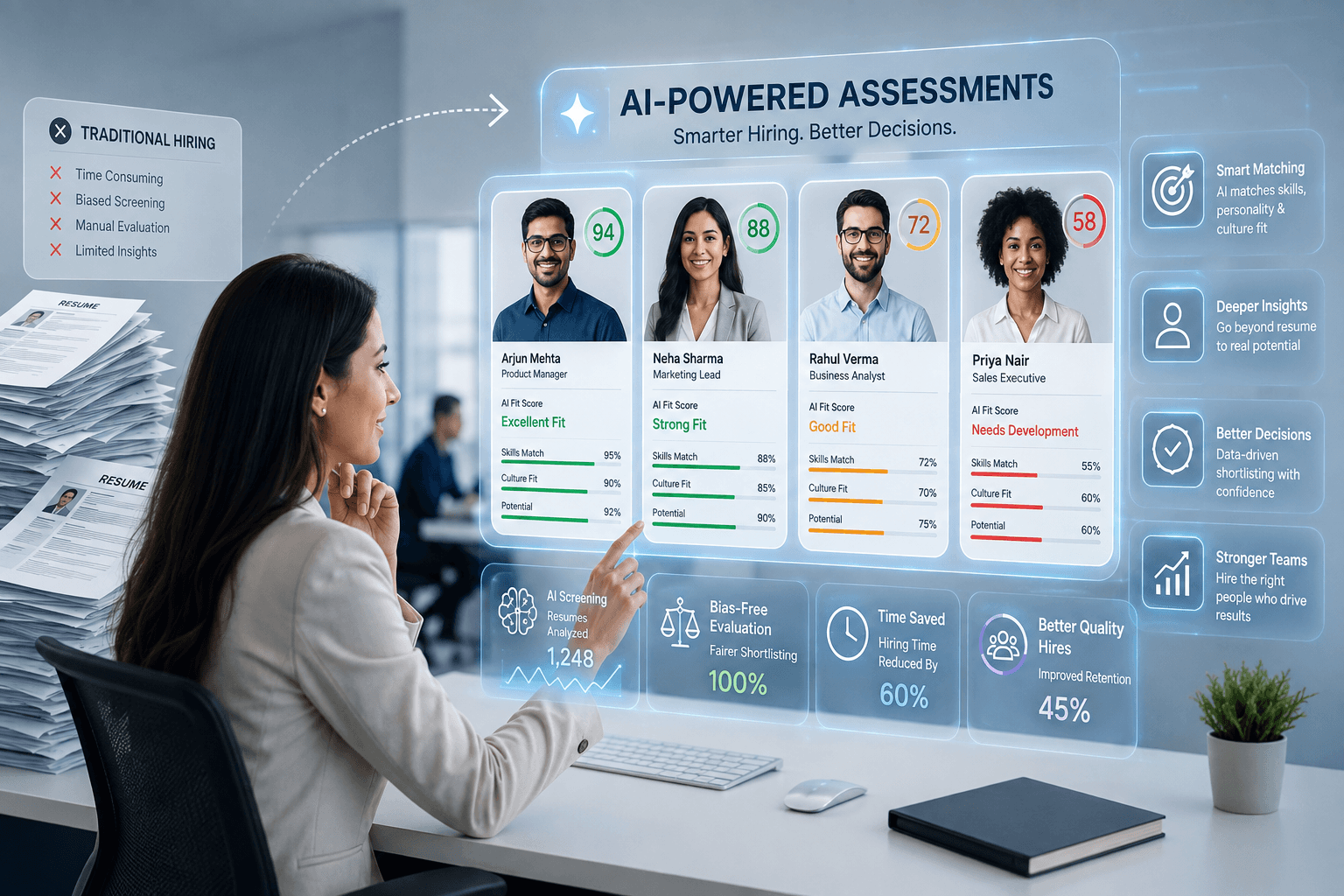
- Is DISC useful for hiring? Yes, hiring assessments based on DISC help recruiters determine if a candidate's behavioral style aligns with the demands of the role.
What are the limitations of DISC?
The primary limitation is that DISC cannot predict total job performance. It does not measure competence, intelligence, or technical skills. Therefore, organizations should use DISC as a developmental tool and one part of a holistic talent development strategy, rather than a standalone evaluation metric.
What is the difference between DISC and other personality tests?
Organizations often compare personality assessment tools. Here is how DISC differs from the alternatives:
Conclusion: Who should take a DISC personality test?
Anyone looking to rapidly improve their self-awareness, professional development, and workplace communication should take a DISC assessment. Whether you are an individual exploring your behavioral style, a manager building a stronger team, or an HR professional refining your hiring process — DISC provides the fastest, most actionable way to decode human behavior at work.
The beauty of DISC lies in its simplicity. With just four styles to remember, every employee can immediately apply the insights to communicate more effectively, resolve conflicts faster, and collaborate with greater empathy.
- DISC measures observable behavior, not intelligence or skills
- There is no "best" type — every style has unique strengths
- Assessments take just 10–15 minutes and generate instant reports
- Used by over 50 million professionals worldwide for communication, leadership, and hiring